(866) 865-1552
Installing a residential fire sprinkler system costs between $1.50 and $3.50 per square foot for new construction and $4 to $7 per square foot for retrofits in existing homes. For a 2,000 square foot home, that means $3,000 to $7,000 for new construction or $8,000 to $14,000 to retrofit. Final pricing depends on your home’s size, layout, system type, and whether you’re building new or adding sprinklers to an existing structure.
California requires sprinklers in some new residential construction, but most homeowners install them voluntarily for insurance savings, property protection, and peace of mind. The math often works out in your favor over time.
What a Residential Fire Sprinkler System Actually Does
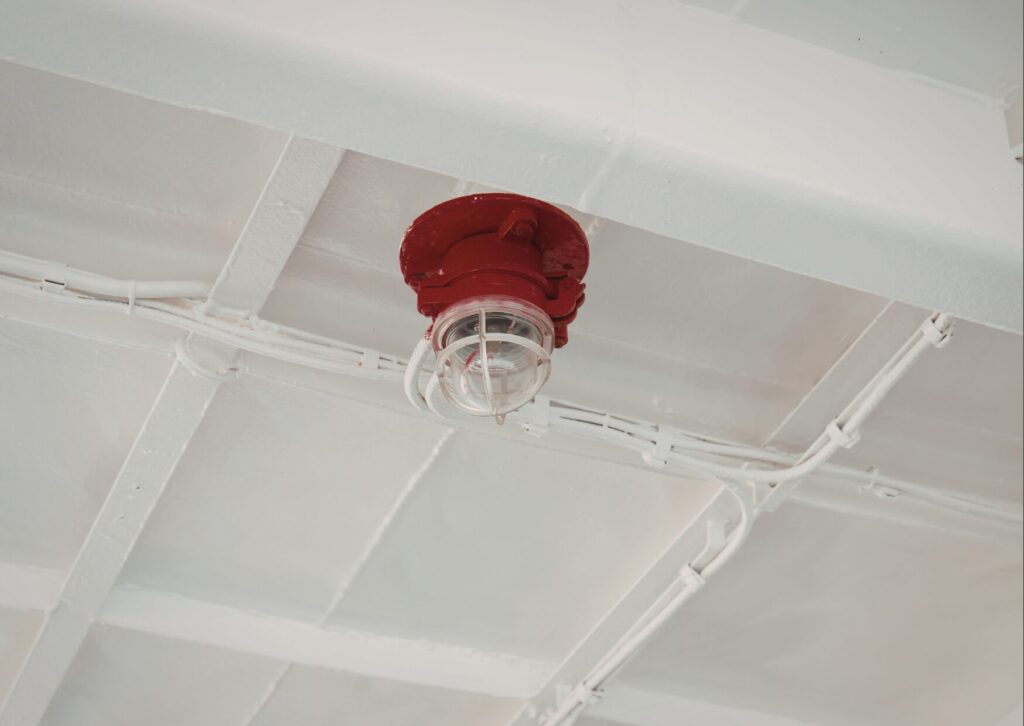
A residential fire sprinkler system runs water through pipes installed in your walls and ceilings, with sprinkler heads positioned throughout the home. When heat from a fire reaches a sprinkler head, a small glass bulb inside it breaks and releases water directly over the fire.
Two things most homeowners get wrong about these systems:
Smoke doesn’t set them off. Sprinkler heads respond to heat, not smoke. Burning toast won’t trigger your system. The heat threshold is typically between 135°F and 165°F, which means an actual fire needs to be present.
They don’t all go off at once. Only the sprinkler heads closest to the fire activate. According to NFPA research, 85% of home fires that activated sprinklers only required one sprinkler head to control the fire. Your entire home doesn’t flood because one room catches fire.
The system connects either to your home’s existing plumbing (called a multipurpose system) or runs on dedicated pipes separate from your plumbing (called a standalone system). Each approach has cost and design implications covered later in this article.
Types of Residential Fire Sprinkler Systems
Multipurpose Systems
Multipurpose systems share pipes with your home’s regular plumbing. Water flows through the same pipes that supply your sinks, showers, and toilets. This keeps installation costs lower because contractors don’t need to run a completely separate pipe network.
The tradeoff is that water in multipurpose systems moves regularly, which keeps it fresh. But this design requires careful planning to make sure water pressure stays adequate for both daily use and fire suppression.
Multipurpose systems work well for new construction where plumbers can design the combined system from the start. Retrofitting a multipurpose system into an existing home gets complicated because your existing plumbing layout may not support it.
Standalone Systems
Standalone systems use dedicated pipes separate from your regular plumbing. Water sits in these pipes waiting to be released during a fire. These systems cost more to install because they require a completely separate pipe network, but they give installers more flexibility in system design.
Standalone systems are the standard choice for retrofit installations. They’re also required in some California jurisdictions that mandate backflow preventers between sprinkler systems and potable water supplies.
Wet Pipe vs Dry Pipe Residential Systems
Most residential systems use wet pipe design, meaning water fills the pipes at all times. When a sprinkler head activates, water flows immediately. Wet pipe systems are simpler, less expensive, and more reliable than dry pipe alternatives.
Dry pipe systems fill pipes with pressurized air instead of water. When a sprinkler head opens, air escapes first and then water follows. These systems protect spaces that might freeze, like garages or unheated areas of a home. They cost more to install and maintain than wet pipe systems.
Most California homes use wet pipe systems. If your garage or any unheated space needs protection, your contractor may recommend a dry pipe section for those areas while keeping the rest of the home on a wet pipe system.
Residential Fire Sprinkler System Costs
New Construction Costs
| Home Size | Cost Range | Average Cost |
|---|---|---|
| 1,000 sq ft | $1,500 – $3,500 | $2,500 |
| 1,500 sq ft | $2,250 – $5,250 | $3,750 |
| 2,000 sq ft | $3,000 – $7,000 | $5,000 |
| 2,500 sq ft | $3,750 – $8,750 | $6,250 |
| 3,000 sq ft | $4,500 – $10,500 | $7,500 |
| 4,000 sq ft | $6,000 – $14,000 | $10,000 |
| 5,000 sq ft | $7,500 – $17,500 | $12,500 |
New construction costs fall between $1.50 and $3.50 per square foot. A 1,000 square foot home runs $1,500 to $3,500. A 5,000 square foot home runs $7,500 to $17,500. Larger homes cost more in total but often less per square foot because contractors can run pipes efficiently through a bigger structure.
What affects where you land in that range:
System type: Multipurpose systems cost less than standalone systems because they share existing plumbing infrastructure. Expect standalone systems to run 20% to 30% more than multipurpose installations.
Sprinkler head type: Concealed sprinkler heads that sit flush with your ceiling cost more than exposed heads. Most homeowners choose concealed heads for aesthetics, which adds $10 to $30 per head to the total.
Local permit fees: California jurisdictions charge between $200 and $800 for fire sprinkler permits depending on the city or county.
Water meter upgrades: Some homes need larger water meters to support sprinkler systems. A meter upgrade adds $500 to $2,000 to your project cost.
Retrofit Costs for Existing Homes
| Home Size | Cost Range | Average Cost |
|---|---|---|
| 1,000 sq ft | $4,000 – $7,000 | $5,500 |
| 1,500 sq ft | $6,000 – $10,500 | $8,250 |
| 2,000 sq ft | $8,000 – $14,000 | $11,000 |
| 2,500 sq ft | $10,000 – $17,500 | $13,750 |
| 3,000 sq ft | $12,000 – $21,000 | $16,500 |
| 4,000 sq ft | $16,000 – $28,000 | $22,000 |
| 5,000 sq ft | $20,000 – $35,000 | $27,500 |
Retrofitting an existing home costs $4 to $7 per square foot, roughly twice the cost of new construction. A 2,000 square foot home runs $8,000 to $14,000. A 4,000 square foot home runs $16,000 to $28,000.
Retrofits cost more because contractors need to work around existing walls, ceilings, and infrastructure. They cut into finished surfaces, run new pipes through tight spaces, patch everything back up, and repaint. Labor costs dominate retrofit projects.
Retrofit cost drivers:
Home age and construction type affect retrofit costs significantly. Older homes with plaster walls and complex layouts cost more to work in than newer homes with drywall and open floor plans. Two-story homes cost more than single-story homes because of the additional pipe runs between floors.
Attic and crawl space access helps contractors run pipes without opening as many walls. Homes with good attic access and crawl spaces under the first floor cost less to retrofit than slab-foundation homes with no attic access.
Additional Costs to Budget For
Backflow preventer: Required in most California jurisdictions. Costs $300 to $800 installed. Needs annual testing by a certified tester, which runs $100 to $200 per year.
Monitoring connection: Connecting your sprinkler system to a monitoring service adds $200 to $500 for installation and $25 to $50 per month for monitoring.
Water damage restoration: If your system ever activates during a fire, restoration costs vary widely. Water from sprinklers causes far less damage than fire department hoses, but you should understand this is a potential future cost.
Annual inspection: Professional inspections run $200 to $400 per year. Some homeowners handle basic maintenance themselves and hire professionals every few years.
California Requirements for Residential Sprinklers
California adopted some of the strictest residential fire sprinkler requirements in the country. Here’s what actually applies depending on where you live and what you’re building.
Statewide Requirements
California requires automatic fire sprinkler systems in all newly constructed one and two-family homes. This requirement came into effect January 1, 2011 under the California Residential Code. If you’re building a new home anywhere in California, you need sprinklers.
New townhomes with two or more units also require sprinklers statewide under California code.
Existing homes are not required to add sprinklers unless you’re doing a substantial renovation that triggers full code compliance. Most routine renovations don’t trigger this requirement.
Local Requirements That Go Further
Many Southern California cities and counties adopt requirements beyond state minimums.
Los Angeles requires sprinklers in new single-family homes and has for years. Some LA neighborhoods near wildfire risk areas have additional requirements for existing homes when owners pull major permits.
Orange County cities vary. Irvine, Anaheim, and Santa Ana have their own requirements that sometimes differ from state minimums. Check with your city’s building department before assuming state code is all that applies.
Riverside County has additional requirements in high fire hazard severity zones, which cover large portions of the county. If your property sits in one of these zones, you may face stricter requirements than state code requires.
San Bernardino County similarly designates large areas as high fire hazard zones with additional sprinkler requirements. Mountain communities like Big Bear and Lake Arrowhead have specific local requirements.
California Seismic Requirements
California adds seismic bracing requirements that don’t apply in most other states. Sprinkler pipes need flexible couplings and seismic bracing to survive earthquakes without breaking. This adds $500 to $2,000 to installation costs depending on home size but protects your system from earthquake damage.
Backflow Prevention
California requires backflow preventers on residential sprinkler systems to prevent water from flowing back into the public water supply. This device needs annual testing by a state-certified tester. Budget $100 to $200 per year for this required test.
Is It Worth Installing Sprinklers If You’re Not Required To?
Run the numbers and the answer is often yes, especially in Southern California.
Insurance savings: Most California homeowners see insurance premium reductions of 5% to 15% after installing sprinklers. On a $3,000 annual premium, that’s $150 to $450 per year in savings. Over 20 years, that’s $3,000 to $9,000 back in your pocket.
Property value: Homes with sprinklers sell for more in markets where buyers understand fire risk. In wildfire-prone areas of Southern California, sprinklers have become a meaningful selling point as insurance companies drop coverage or raise rates dramatically for unprotected properties.
Insurance availability: Some insurers now refuse coverage or charge prohibitive rates for homes in high fire risk areas without sprinklers. Installing a system keeps your home insurable when neighbors lose coverage.
Wildfire risk: Southern California’s fire seasons have grown longer and more destructive. Sprinklers won’t stop a wildfire from reaching your home, but they give firefighters a fighting chance and can prevent total loss in some situations.
The payback period on a new construction sprinkler system runs 10 to 20 years through insurance savings alone. Retrofit payback periods run longer because of higher upfront costs, but insurance availability and property value considerations often make the investment worthwhile regardless.
What the Residential Fire Sprinkler System Installation Process Looks Like
New Construction Installation
Sprinkler installation happens alongside your home’s plumbing during the framing stage. Here’s what to expect:
Design and permitting: Your fire protection contractor submits system plans to your local building department and fire marshal for review. This process takes two to six weeks depending on jurisdiction. In Los Angeles County, plan review sometimes runs longer during busy periods.
Rough installation: Once framing is complete, contractors run pipes through walls and ceilings before drywall goes up. This is the most efficient time to install because everything is open and accessible.
Sprinkler head rough-in: Contractors install temporary covers over sprinkler head locations while drywall and painting happen. Final heads go in after paint is complete.
Inspection: Your local fire marshal inspects the completed system before you receive a certificate of occupancy. The inspector tests water flow and verifies coverage meets code requirements.
Final connection: Contractors connect the system to your water supply and test the complete system. You receive documentation showing the system passed inspection.
New construction installation typically takes three to five days of contractor time spread across several weeks of the overall construction schedule.
Retrofit Installation
Retrofitting sprinklers into an existing home takes more time and causes more disruption than new construction.
Assessment: A fire protection contractor walks through your home to assess the layout, existing plumbing, attic and crawl space access, and water supply capacity. This assessment determines the installation approach and final pricing.
Design and permitting: System plans go to your building department and fire marshal. Retrofit permits sometimes take longer to approve because inspectors need to review how the system integrates with existing construction.
Installation: Contractors open walls and ceilings to run pipes, install sprinkler heads, connect to your water supply, and patch everything back up. Retrofit installation typically takes one to two weeks depending on home size and complexity.
Finishing work: After sprinkler installation, contractors patch drywall, texture, and paint affected areas. Some homeowners handle this finishing work themselves to reduce costs.
Inspection and testing: Fire marshal inspection and system testing happens before the job is complete. You get documentation showing the system works correctly.
Plan for some disruption to your daily routine during retrofit installation. Contractors need access throughout the home, water gets shut off periodically, and dust from cutting and patching is unavoidable.
Fire Sprinkler System Maintenance
Residential sprinkler maintenance is straightforward. Most of it takes 15 minutes every month or two.
Monthly tasks: Check that your control valve is open and in the correct position. If your system has a storage tank, verify it’s full. Run any pumps your system uses to make sure they start properly.
Every six months: Test your waterflow alarm by opening the inspector’s test valve. Make sure the alarm sounds. If your system connects to a monitoring service, notify them before testing so they don’t dispatch the fire department.
Ongoing: Look at sprinkler heads occasionally during normal life in your home. Make sure nothing is hanging from them, no paint covers them, and no furniture or storage blocks their spray pattern.
When you repaint: This is the most common way homeowners damage their sprinkler systems. Paint on sprinkler heads can prevent them from activating properly. Cover sprinkler heads with protective caps before any painting work and make sure contractors do the same.
Annual professional inspection: Hire a licensed fire protection contractor to inspect your system annually. They check components you can’t easily evaluate yourself and provide documentation that satisfies insurance and code requirements. Annual inspections cost $200 to $400.
When you sell your home: Have a professional inspection completed before listing. Buyers in California increasingly ask about sprinkler system condition during due diligence. Having a recent inspection report with no issues removes a potential negotiating point for buyers.
How to Find and Hire a Qualified Contractor
Not every plumber or general contractor should install fire sprinkler systems. You need someone with specific fire protection credentials.
License verification: California requires a C-16 fire protection contractor license for sprinkler installation. Verify any contractor’s license at cslb.ca.gov before hiring. Check that the license is current and has no disciplinary actions.
Experience with residential systems: Ask specifically about residential experience. Commercial fire sprinkler contractors don’t always understand the residential code differences or the finish work quality homeowners expect.
References: Ask for references from homeowners with similar projects. A retrofit in a 1960s home is very different from a new construction installation. Make sure the contractor has relevant experience.
Written quotes: Get at least three written quotes that break down labor, materials, permits, and any finishing work. Quotes that bundle everything into one number make it hard to compare contractors fairly.
Permit pulling: Your contractor should pull permits and schedule all required inspections. Any contractor who suggests skipping permits is not someone you want working on your home.
Timeline and disruption: Ask specifically how long the project will take and what areas of your home will be affected each day. Good contractors give you realistic timelines and work to minimize disruption.
Spectrum Fire Protection installs residential fire sprinkler systems throughout Los Angeles County and Riverside County. Our team holds a C-16 fire protection contractor license and has designed and installed systems in hundreds of Southern California homes. Call us at (866) 441-2421 to schedule an assessment and get a written quote for your home.
Final Thoughts
Residential fire sprinkler systems cost $1.50 to $3.50 per square foot for new construction and $4 to $7 per square foot for retrofits. California requires them in all new single-family homes. Many Southern California homeowners install them voluntarily because of wildfire risk, insurance savings, and increasing difficulty getting coverage without professional fire sprinkler services.
The installation process is straightforward for new construction and manageable for retrofits. Maintenance is simple enough for most homeowners to handle themselves with one professional inspection per year.