(714) 213-8451

When a fire breaks out in an Orange County commercial building, the difference between a contained incident and a catastrophic loss often comes down to one thing: whether the building had a complete fire protection strategy in place.
Most property owners think of fire protection as a single category sprinklers go off, alarms sound, and the fire is controlled. But fire safety professionals recognize two fundamentally different types of systems that must work in tandem: active fire protection and passive fire protection.
Understanding the distinction between these two approaches isn’t just technical knowledge, it directly affects your compliance with the Orange County Fire Authority (OCFA), your insurance standing, and the safety of everyone inside your property.
In this guide, we break down exactly what active and passive fire protection are, how they complement each other, and what Orange County property owners need to know to stay safe and code-compliant and whom they can trust for fire protection services across Orange County.
What Is Active Fire Protection?
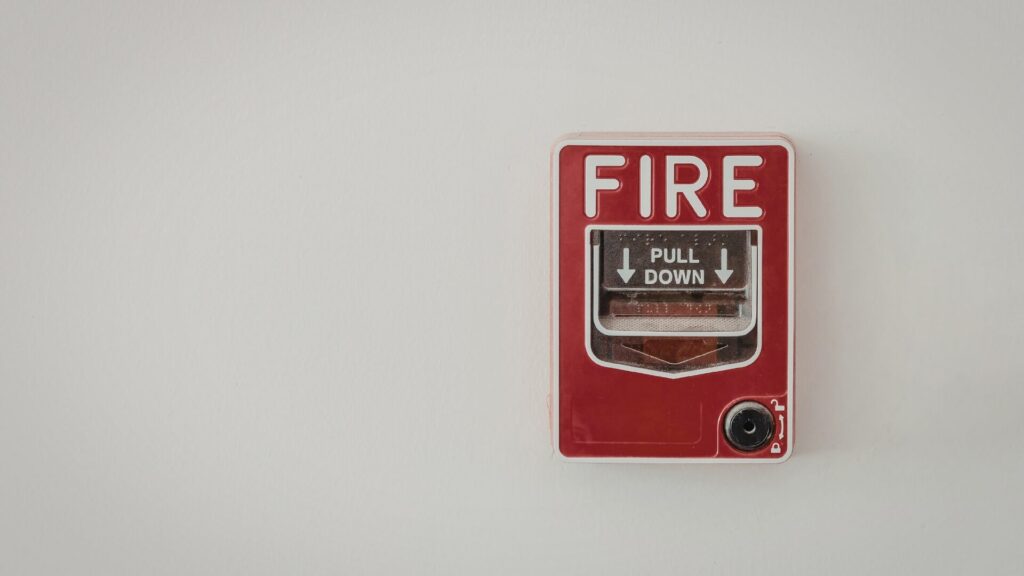
Active fire protection (AFP) refers to any system or component that requires an action, either automatic or manual, to detect, contain, or suppress a fire. The key word is action: something triggers, deploys, or is used in response to a fire event.
Active systems are designed to directly combat a fire once it has started. They respond to stimuli such as heat, smoke, or flame, or they require a person to manually intervene.
1. Fire Sprinkler Systems
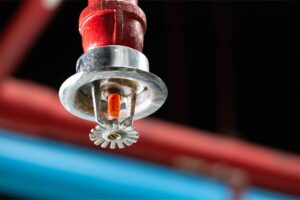
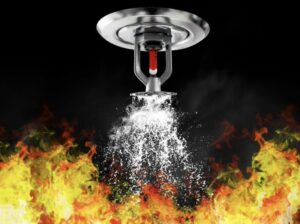
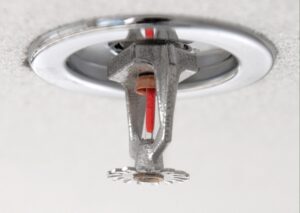
Automatic fire sprinklers are the most recognizable active fire protection component. Each sprinkler head is activated independently by heat typically between 135°F and 165°F, spraying water directly at the fire source. Only the heads closest to the fire trigger, minimizing water damage to the rest of the building.
Whether your Orange County property is a warehouse in Anaheim, a restaurant in Irvine, or a multi-tenant office in Santa Ana, fire sprinkler system design and installation must meet NFPA 13 standards and local OCFA requirements.
2. Fire Alarm Systems
Fire alarm systems are the detection and alert backbone of any AFP strategy. Under NFPA 72, fire alarm systems require annual inspection and sensitivity testing. Spectrum Fire Protection’s fire alarm services cover everything from installation and programming to ongoing maintenance and UL-listed central station monitoring.
Key components include:
• Smoke detectors and heat detectors
• Manual pull stations
• Notification appliances (horns, strobes)
• Control panels that communicate with monitoring centers
3. Fire Suppression Systems
Beyond water-based sprinklers, many Orange County properties, particularly restaurants, data centers, and industrial facilities require specialized suppression agents:
• Clean agent systems for server rooms and archives
• Wet chemical systems for commercial kitchen hoods (UL 300-compliant)
• Foam systems for fuel storage and loading areas
• CO₂ and inert gas systems for electrical equipment
4. Fire Extinguishers
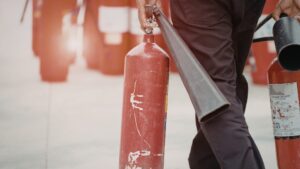
Portable fire extinguishers are manual active protection devices. California Title 19 requires annual inspection and maintenance. Spectrum’s fire extinguisher services keep your extinguishers code-compliant and ready when needed.
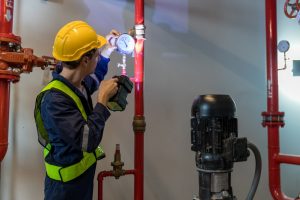
5. Fire Pumps
In larger commercial or multi-story properties, fire pumps ensure adequate water pressure reaches all sprinkler heads and standpipes. Learn more about fire pump inspection and maintenance for Orange County properties.
6. Fire Hydrants
Hydrant systems ensure that OCFA firefighters have immediate access to water upon arrival. Fire hydrant testing and maintenance is a critical but often overlooked component of a complete active fire protection program.
What Is Passive Fire Protection?
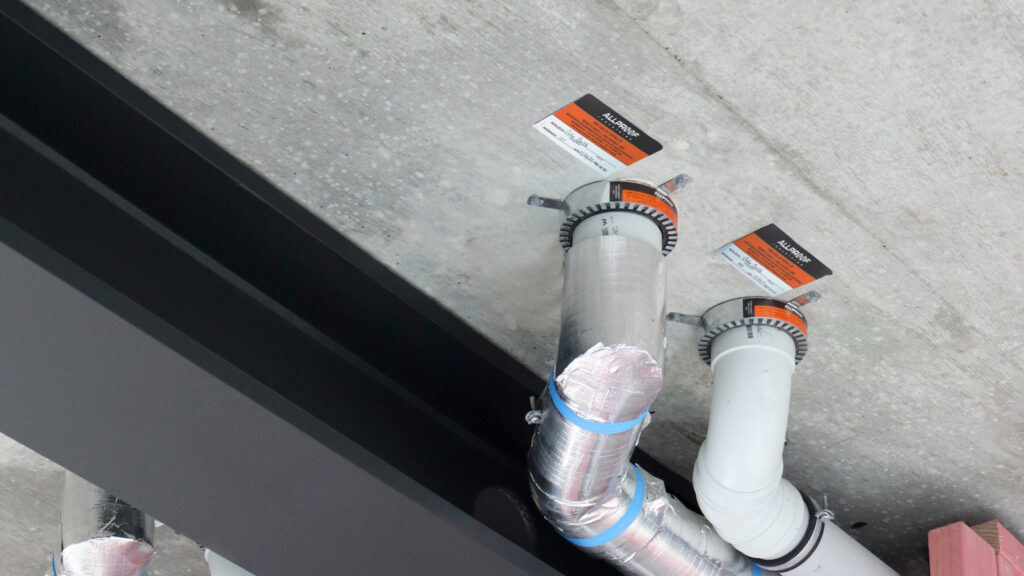
Passive fire protection (PFP) is the category of fire safety measures built into the structure of a building itself. These systems don’t require activation or action, they work continuously and automatically by virtue of their presence, using fire-resistant materials and construction techniques to slow or stop the spread of fire and smoke.
The goal of passive fire protection is not to extinguish a fire, but to contain it, buying time for occupants to evacuate, for firefighters to respond, and for active systems to do their work.
1. Fire-Rated Walls, Floors, and Ceilings
Using fire-resistant materials such as gypsum board, concrete, and masonry, fire-rated assemblies are designed to resist fire for a defined period typically 1, 2, or 4 hours as tested under ASTM E119 standards. These assemblies divide a building into fire compartments that limit how quickly and far a fire can travel.
2. Fire Doors and Fire Door Hardware
Fire doors are specially constructed barriers that compartmentalize a building while providing occupants with a means of escape. A properly installed and maintained fire door can withstand fire for 20 to 90 minutes, depending on the rating. Critically, a fire door that is propped open or has a broken self-closer provides zero passive protection.
3. Fire Dampers and Smoke Dampers
HVAC ductwork creates a natural pathway for fire and smoke to spread through a building. Fire dampers and combination fire/smoke dampers are installed within ductwork at fire-rated wall or floor penetrations, automatically closing when heat or smoke is detected to block the passage of fire and smoke. NFPA 80 and 105 govern their installation and inspection requirements.
4. Firestopping and Penetration Seals
Every time a pipe, cable, or conduit passes through a fire-rated wall or floor, it creates a potential breach in the passive fire barrier. Firestop materials, including caulks, collars, wraps, and pillows, seal these penetrations and restore the fire rating of the assembly. California building codes and OCFA regulations require properly rated firestop systems in all new and renovated commercial construction.
5. Intumescent Coatings and Fireproofing
Structural steel loses its load-bearing strength rapidly when exposed to high temperatures. Intumescent fireproofing expands when heated, creating an insulating layer that protects the steel for a rated period. This is especially critical for high-rises, warehouses, and industrial facilities throughout Orange County.
6. Photoluminescent Egress Path Markers
In multi-floor buildings, emergency lighting and photoluminescent exit markers guide occupants to safety even when smoke reduces visibility. These passive components are required under California Building Code Section 1013 and NFPA 101 (Life Safety Code).
Active vs. Passive Fire Protection: Key Differences at a Glance
| Feature | Active Fire Protection | Passive Fire Protection |
|---|---|---|
| Purpose | Detect, alert, and suppress fire | Contain fire and slow its spread |
| Activation | Requires action (auto or manual) | Always working — no activation needed |
| Examples | Sprinklers, alarms, extinguishers | Fire walls, fire doors, dampers |
| Primary Standard | NFPA 13, 72, 10, 20, 25 | ASTM E119, NFPA 80, 101 |
| Maintenance Needed | Yes — regular inspection required | Yes — periodic inspection required |
| OCFA Jurisdiction | Yes | Yes (during construction & inspection) |
Why Orange County Properties Need Both Not One or the Other
A common mistake made by property owners is treating active and passive fire protection as either/or choices. In reality, both are legally required and functionally interdependent for any commercial property in Orange County.
Active Systems Have Failure Points
• Sprinkler pipes can freeze, corrode, or lose pressure
• Fire alarms can be triggered falsely or fail to activate in certain smoke conditions
• Fire extinguishers require trained personnel to operate effectively
• Power outages can affect alarm panel functionality
When active systems fail or are overwhelmed, passive systems become the last line of defense.
Passive Systems Cannot Suppress Fire
Passive barriers slow the spread of fire they cannot put it out. A fire contained to one compartment will still consume everything in that space if not actively suppressed. Active systems are what ultimately reduce fire intensity and give first responders a manageable situation.
The Synergy That Saves Lives and Property
When both systems are in place and properly maintained, a fire event unfolds like this:
1. A fire starts in a storage room in a Fullerton warehouse
2. The smoke detector activates the fire alarm and alerts the monitoring center
3. The sprinkler head above the fire activates, suppressing it
4. Fire-rated walls prevent the fire from spreading to adjacent spaces
5. Fire dampers close in the ductwork, stopping smoke from reaching occupied areas
6. Employees evacuate via fire doors that self-close behind them
7. OCFA firefighters arrive to a manageable, contained situation
Orange County Fire Code Requirements
Orange County Fire Authority (OCFA)
The OCFA enforces fire prevention codes based on the California Fire Code (CFC). The OCFA conducts plan reviews for new construction and tenant improvements, issues fire permits, and conducts inspections of existing commercial properties.
Key areas the OCFA inspects include:
• Sprinkler system installation and maintenance records
• Fire alarm system test documentation
• Fire door condition and hardware function
• Extinguisher placement and annual inspection tags
• Means of egress lighting and signage
California Title 19
Title 19 of the California Code of Regulations establishes minimum standards for fire extinguishers, sprinkler systems, and alarm systems. Compliance with Title 19 is a baseline requirement for all commercial properties in Orange County.
NFPA Standards
Key NFPA standards governing fire protection in Orange County include:
• NFPA 13 — Installation of Sprinkler Systems
• NFPA 25 — Inspection, Testing, and Maintenance of Water-Based Fire Protection Systems
• NFPA 72 — National Fire Alarm and Signaling Code
• NFPA 80 — Standard for Fire Doors and Other Opening Protectives
• NFPA 101 — Life Safety Code
Active and Passive Fire Protection for Specific Industries in Orange County
Restaurants and Commercial Kitchens
Commercial kitchens require UL 300-compliant hood suppression systems that activate automatically. Spectrum’s restaurant hood and suppression services are specifically tailored for Orange County’s hospitality industry.
Warehouses and Industrial Facilities
High-piled storage in Anaheim, Irvine, or Santa Ana warehouses triggers specific OCFA requirements for in-rack sprinkler systems, draft curtains, and smoke venting. Passive protection includes fire-rated separation between storage and office areas, and properly sealed electrical and mechanical penetrations.
Multi-Tenant Commercial Buildings
Office parks and mixed-use developments throughout Orange County rely heavily on passive compartmentation to protect tenants from fires starting in adjacent suites. Fire doors, rated walls between tenant spaces, and properly maintained fire dampers are non-negotiable.
Healthcare and Education Facilities
NFPA 101’s Life Safety Code imposes some of its strictest requirements on hospitals, clinics, and schools. These facilities must demonstrate robust passive compartmentation combined with reliable active systems and regular drills.
How Often Do Systems Need Inspection in Orange County?
Active System Inspection Frequencies
• Fire sprinklers: Monthly visual checks; quarterly and annual testing per NFPA 25; 5-year internal inspections
• Fire alarms: Annual inspection per NFPA 72; sensitivity testing every 1–2 years
• Fire extinguishers: Monthly visual; annual service per Title 19; 6-year internal; 12-year hydrostatic testing
• Fire pumps: Weekly flow tests; annual full-load test per NFPA 25
• Fire hydrants: Annual flow testing; after any repair or modification
Passive System Inspection Frequencies
• Fire doors: Annual inspection per NFPA 80; immediate inspection after any damage
• Fire dampers: Every 4 years in most occupancies; every 6 years in hospitals
• Firestop penetrations: Inspection during any construction or renovation activity
5 Common Fire Protection Mistakes Orange County Property Owners Make
1. Treating fire protection as a “set it and forget it” system both active and passive systems degrade over time without regular inspection.
2. Failing to update systems after renovations moving walls or reconfiguring spaces can compromise passive fire barriers and create uncovered sprinkler zones.
3. Propping fire doors open — one of the most common OCFA inspection violations. Even a well-intentioned open fire door destroys compartmentation.
4. Ignoring fire pump maintenance — fire pumps require weekly run tests and annual testing. A failed fire pump means your entire sprinkler system may be non-functional in an emergency.
5. Not having a centrally monitored alarm system — UL-listed central station monitoring ensures OCFA is automatically notified regardless of whether anyone is present.
Choosing a Fire Protection Contractor in Orange County
When selecting a contractor to install, inspect, or maintain your fire protection systems in Orange County, look for:
• California C-16 fire protection contractor license (and C-10 for electrical/alarm work)
• NICET-certified technicians for fire alarm system testing
• NFPA membership and demonstrated code knowledge
• Experience with your specific occupancy type (restaurant, warehouse, medical, etc.)
• Full-service capability covering sprinklers, alarms, extinguishers, pumps, and suppression systems
Conclusion
Active and passive fire protection are not competing philosophies, they are two halves of a complete fire safety strategy that every Orange County commercial property is required to have in place. Active systems detect and suppress. Passive systems contain and delay. Together, they protect lives, limit property damage, and keep your business compliant with OCFA regulations.
The worst time to discover a gap in your fire protection program is during an actual emergency. A proactive approach, regular inspections, proper maintenance, and working with an experienced local fire protection in Orange County partner, ensures that when the stakes are highest, every system performs exactly as designed.
Ready to evaluate your active and passive fire protection systems in Orange County?
Contact Spectrum Fire Protection for a free consultation. Our team serves all Orange County communities including Anaheim, Irvine, Santa Ana, Fullerton, Huntington Beach, Costa Mesa, Orange, Mission Viejo, and beyond.