(714) 213-8451
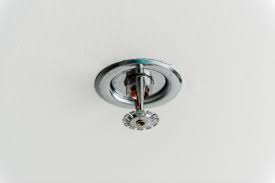
Fire sprinkler systems come in five main types: wet pipe, dry pipe, pre-action, and deluge. Each type works differently and protects specific building types and hazards. Wet pipe systems are most common because they’re reliable and cost-effective. Dry pipe systems protect areas that might freeze. Pre-action systems prevent accidental water discharge in high-value spaces. Deluge systems handle extreme fire hazards. Residential systems follow simplified standards for homes and apartments.
Choosing the wrong system type costs money and reduces fire protection effectiveness. A wet pipe system in a freezer warehouse will freeze and fail. A deluge system in an office wastes money on unnecessary complexity. Understanding each system type helps you select the right protection for your building.
Quick Overview of Fire Sprinkler System Types
Wet pipe systems keep water in pipes at all times. When heat activates a sprinkler head, water flows immediately. These systems work in heated buildings where pipes won’t freeze. They represent about 70% of all installed sprinkler systems.
Dry pipe systems fill pipes with compressed air instead of water. When a sprinkler activates, air escapes first, then water flows. These protect unheated spaces like parking garages and warehouses where freezing temperatures occur.
Pre-action systems require two events before water flows: fire detection activation and sprinkler head operation. This double-interlock prevents accidental water discharge. Museums, data centers, and archives use pre-action systems to protect irreplaceable contents.
Deluge systems have all sprinkler heads open at once. Fire detection triggers a valve releasing water through every head simultaneously. Aircraft hangars, chemical plants, and facilities with flammable liquids use deluge systems.
Residential systems follow NFPA 13D (homes) or NFPA 13R (apartments and townhomes). These simplified systems prioritize life safety over property protection. They use fewer sprinkler heads and different design standards than commercial systems.
Wet Pipe Fire Sprinkler Systems
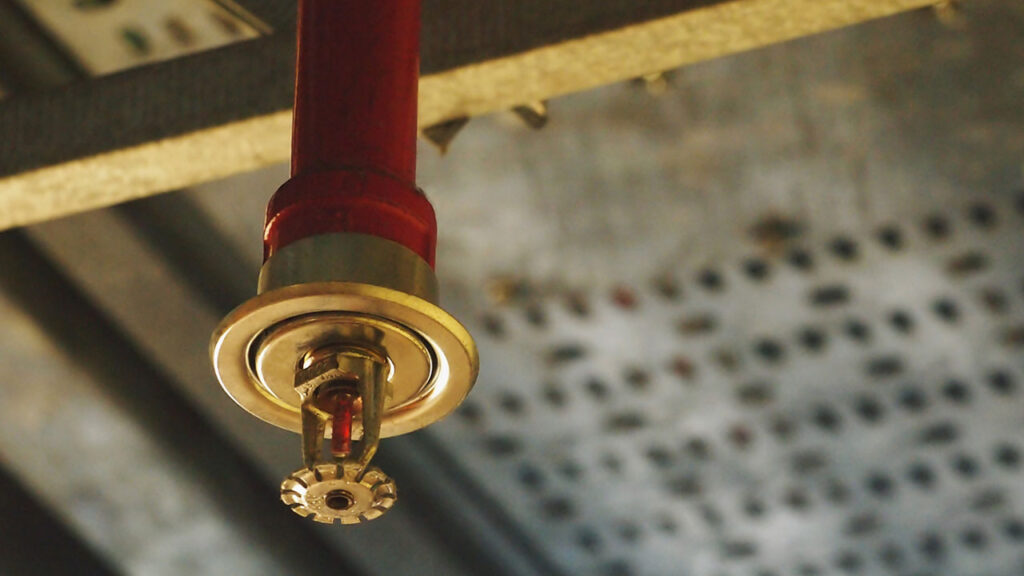
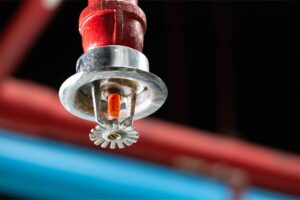
Wet pipe systems are the baseline for fire sprinkler protection. Pipes stay filled with pressurized water connected to a reliable water supply. Individual sprinkler heads have heat-sensitive elements – typically glass bulbs filled with glycerin – that break at specific temperatures ranging from 135°F to 286°F.
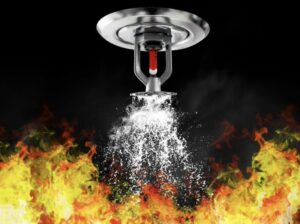
When fire heats a sprinkler head to its rated temperature, the glass bulb breaks. Water immediately flows from that head only. Other sprinklers don’t activate unless fire spreads and heats them individually. About 90% of fires are controlled by just one or two sprinkler heads.
The system includes a main control valve, alarm test valve, flow switches that trigger alarms, and pressure gauges. A backflow preventer prevents sprinkler water from contaminating potable water supplies. The entire system operates automatically without human intervention.
When to Use Wet Pipe Systems
Wet pipe systems work in any building where all areas containing sprinkler pipes stay above 40°F year-round. This includes most office buildings, schools, retail stores, hotels, hospitals, and manufacturing facilities with climate control.
Use wet pipe systems when you need:
- Immediate water discharge with no delay
- Simple, reliable operation
- Low maintenance requirements
- Cost-effective fire protection
California commercial buildings in coastal and valley areas use wet pipe systems almost exclusively. Interior spaces with heating systems maintain adequate temperatures preventing pipe freezing.
Wet Pipe System Advantages
Wet pipe systems cost less to install than other types. The simple design needs fewer components. No air compressors, sophisticated detection systems, or complex controls. Just pipes, sprinkler heads, and basic valves.
Maintenance is straightforward and inexpensive. Annual inspections cost $400 to $800 for commercial buildings. Technicians check sprinkler heads, test alarm devices, and verify water pressure. No compressed air systems to maintain or detection devices to calibrate.
Reliability is highest with wet pipe systems. Fewer components mean fewer failure points. When properly maintained, wet pipe systems work 95% of the time when needed. The National Fire Protection Association tracks sprinkler performance showing wet pipe systems as most dependable.
Water discharges immediately when a sprinkler operates. No delay waiting for air to exhaust or detection systems to activate. Fast water application controls fires before they grow large.
Wet Pipe System Limitations
Freezing temperatures make wet pipe systems unsuitable. Water in pipes will freeze when ambient temperature drops below 32°F. Frozen pipes burst causing water damage and leaving areas unprotected. Any space that might freeze – even temporarily during power outages – can’t use wet pipe systems.
Earthquake damage can break sprinkler pipes. California requires seismic bracing for sprinkler systems reducing this risk. Flexible pipe couplings allow movement during earthquakes without breaking pipes. But wet pipe systems have water ready to flow from any break.
Accidental damage to sprinkler heads causes immediate water flow. A forklift hitting a sprinkler in a warehouse releases water until someone shuts the system down. This creates water damage and business interruption.
Dry Pipe Fire Sprinkler Systems
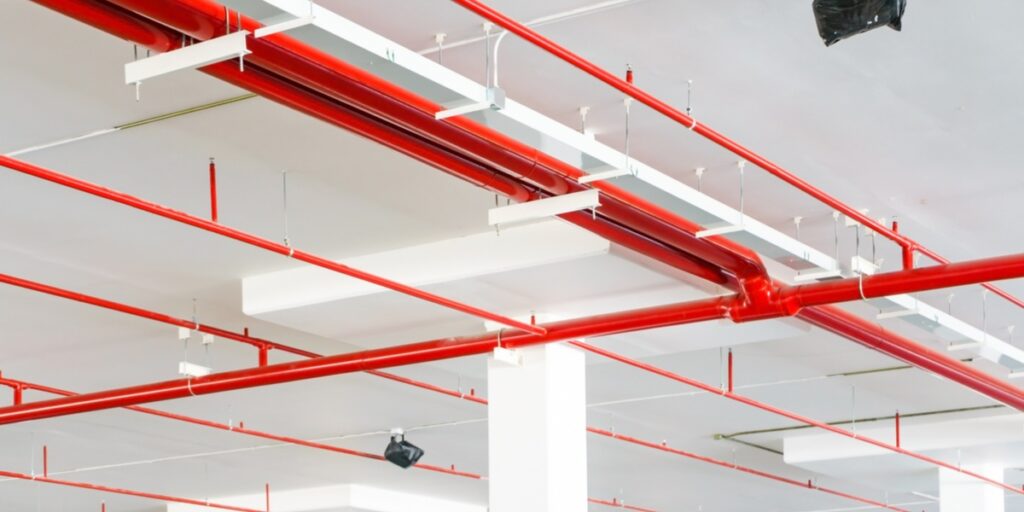
Dry pipe systems solve the freezing problem wet pipe systems face. Pipes contain compressed air or nitrogen at 20 to 50 PSI instead of water. A dry pipe valve holds water back under higher pressure – typically 110 to 150 PSI – at a remote location in a heated space.
When fire activates a sprinkler head, compressed air escapes through the open head. Air pressure drops throughout the system. When air pressure falls below the water pressure threshold, the dry pipe valve opens. Water rushes into the pipes and eventually flows from the activated sprinkler head.
This process creates a delay. Air must exhaust before water enters the pipes. Then water must travel from the dry pipe valve to the open sprinkler head. NFPA 13 limits dry pipe system size to ensure water reaches the most remote sprinkler within 60 seconds.
When to Use Dry Pipe Systems
Dry pipe systems protect unheated spaces or areas where freezing temperatures occur. Common applications include:
Unheated warehouses in cold climates Parking garages open to weather Loading docks with frequent door openings Attics and other unconditioned spaces Refrigerated storage areas Outdoor canopies and covered areas
In Southern California, dry pipe systems appear less frequently than in northern states. But they protect parking structures, cold storage warehouses, and buildings with large unheated spaces.
You need dry pipe when any part of the protected area might drop below 40°F. Even if most of the building stays warm, sections exposed to cold air need dry pipe protection.
Dry Pipe System Advantages
Dry pipe systems work where wet pipe systems can’t. This is their primary advantage. Buildings with unavoidable freezing conditions still get automatic sprinkler protection.
Pipe damage doesn’t cause immediate water flow. If a forklift breaks a sprinkler head, air leaks out instead of water. Facility staff can repair damage before filling the system with water. This reduces water damage from accidental impacts.
Seismic activity causes less water damage. Earthquake-damaged pipes release air instead of water. Building occupants can shut down the system before opening the dry pipe valve.
Dry Pipe System Limitations
Delayed water discharge is the main drawback. The 60-second maximum delay allows fires to grow larger before water application. Larger fires might activate multiple sprinklers increasing water damage.
Installation costs run 30% to 50% higher than wet pipe systems. Air compressors, air maintenance devices, accelerators, and sophisticated dry pipe valves add to equipment costs. The limited system size often requires multiple dry pipe systems where one wet pipe system would work.
Maintenance is more complex and expensive. Annual inspections cost $600 to $1,200 for dry pipe systems. Air compressors need regular service. Compressed air must be monitored and maintained. Dry pipe valves require careful adjustment and testing.
Corrosion problems develop inside dry pipes. Moisture in compressed air condenses inside pipes causing rust. Internal corrosion eventually blocks pipes or damages sprinkler heads. Five-year internal pipe inspections often reveal corrosion requiring expensive repairs.
Pre-Action Fire Sprinkler Systems
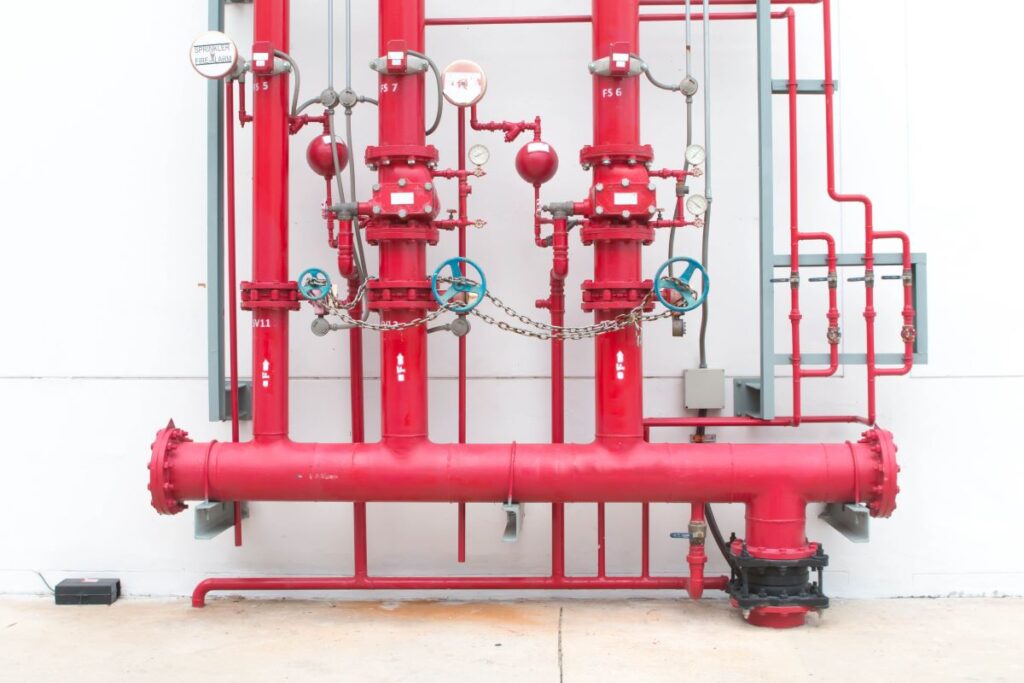
Pre-action systems combine fire detection with sprinkler protection. These systems keep pipes dry or filled with low-pressure air. Water stays behind a pre-action valve in a separate location.
Fire detection devices – smoke detectors, heat detectors, or flame detectors – monitor the protected space. When detection devices sense fire, they trigger the pre-action valve to open. Water fills the sprinkler pipes. But water doesn’t discharge until a sprinkler head activates from heat.
NFPA 13 defines three pre-action system types:
Non-interlock systems fill pipes when detection activates OR when a sprinkler head operates. Either event alone causes the system to fill with water.
Single-interlock systems fill pipes only when detection activates. Sprinkler head operation alone won’t fill the pipes. But once pipes are full, an activated sprinkler head discharges water immediately.
Double-interlock systems require both detection activation AND sprinkler head operation before water fills pipes. This creates the maximum protection against accidental discharge but also creates the longest delay before water flows.
When to Use Pre-Action Systems
Pre-action systems protect spaces where accidental water discharge would cause severe damage. The most common applications include:
Data centers and server rooms containing expensive computer equipment. Water damage from an accidental sprinkler activation could destroy millions of dollars in equipment and data.
Museums and archives storing irreplaceable artifacts. A broken sprinkler head in a wet pipe system would damage priceless items before anyone could shut off the water.
Libraries and rare book collections where water destroys inventory that can’t be replaced.
Clean rooms and pharmaceutical manufacturing where contamination from accidental water discharge stops production.
Cold storage warehouses where water in pipes would freeze. Double-interlock pre-action prevents accidental pipe filling that would freeze and damage the system.
Single-interlock systems work best for high-value contents. Double-interlock systems protect against freezing in refrigerated spaces but delay water discharge significantly.
Pre-Action System Advantages
Accidental sprinkler damage doesn’t cause water flow in single-interlock systems. A forklift breaking a sprinkler head releases no water because the pre-action valve stays closed. The system fills only when fire detection activates.
Early warning comes from fire detection activation. Building management knows about potential fire conditions before sprinklers activate. This allows early investigation and manual firefighting attempts.
System supervision monitors air pressure and detection devices continuously. Any problem triggers supervisory alarms allowing repairs before a fire occurs.
Pre-Action System Limitations
High costs make pre-action systems expensive. The fire detection system, pre-action valve, control panels, and additional components cost 75% to 150% more than wet pipe systems. A server room costing $8,000 for wet pipe protection needs $15,000 to $20,000 for pre-action.
Complex maintenance requires specialized technicians. Annual inspections cost $800 to $1,500. Both the sprinkler system and detection system need testing. Control panels require battery replacement and functional testing.
Double-interlock systems delay water discharge like dry pipe systems. NFPA 13 limits these systems to 1,000 sprinkler heads and requires water delivery within 60 seconds. The delay allows fires to grow larger before suppression begins.
False detection alarms can fill systems unnecessarily. Smoke from cooking, dust from construction, or detector malfunctions might activate the pre-action valve. Water fills the pipes creating unnecessary wear on the system.
Deluge Fire Sprinkler Systems
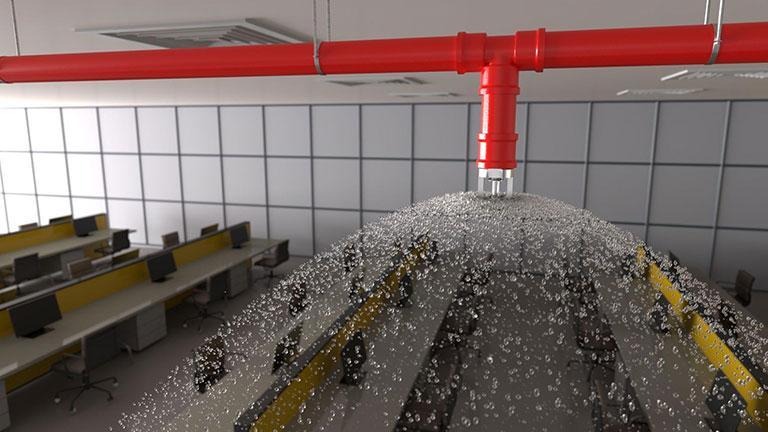
Deluge systems are designed for the most severe fire hazards. All sprinkler heads are open – they have no heat-sensitive elements. Pipes are empty until fire detection triggers a deluge valve to open.
When fire detection activates, the deluge valve opens immediately. Water floods the entire piping network and discharges from all sprinkler heads at once. This creates a water curtain or deluge over the entire protected area within seconds.
The system includes sophisticated fire detection – usually heat detectors, smoke detectors, or flame detectors. Detection must be extremely reliable because activation releases water from every sprinkler head. Manual activation stations allow operators to trigger the system.
When to Use Deluge Systems
Deluge systems protect high-hazard areas where fire spreads extremely fast. Standard sprinkler systems can’t control rapidly developing fires. Common deluge applications include:
Aircraft hangars containing jet fuel and large open spaces. A fuel spill fire spreads across the hangar floor in seconds. Deluge systems flood the entire hangar preventing fire spread.
Flammable liquid storage where spills ignite and spread rapidly. Tank farms, chemical processing areas, and petroleum facilities use deluge protection.
Munitions manufacturing and storage where explosive materials require immediate and total water application.
Commercial kitchens sometimes use small deluge systems over deep fryers. Restaurant exhaust hoods might use deluge-style discharge to flood the plenum with water or foam.
Loading racks for flammable liquids where trucks fill tanks. Spills during filling operations can create large pool fires needing deluge protection.
Very few buildings need deluge systems. The specialized applications and high costs limit use to truly high-hazard situations.
Deluge System Advantages
Immediate and complete water application provides maximum fire control. All sprinklers discharge simultaneously covering the entire protected area. This prevents fire spread and provides cooling across large surfaces.
Open sprinkler heads can’t be damaged or painted over. No heat-sensitive elements to break or obstruct. Maintenance is simpler because sprinkler heads have fewer components.
Large water flow rates provide superior fire control. Deluge systems discharge 50 to 500 gallons per minute depending on the hazard. This overwhelming water volume controls fires that standard sprinklers couldn’t handle.
Deluge System Limitations
Water damage is extensive when systems activate. Every sprinkler head discharges water. A false alarm floods the entire protected area with hundreds or thousands of gallons. This makes reliable fire detection absolutely critical.
Installation costs are highest among all system types. Deluge valves, sophisticated detection systems, and specialized engineering create costs 100% to 200% higher than wet pipe systems. A warehouse area costing $30,000 for wet pipe protection might need $75,000 for deluge.
Maintenance is intensive and expensive. Annual inspections cost $1,000 to $2,500. Detection systems, deluge valves, and open sprinkler heads all need testing. Some facilities test full discharge annually creating cleanup and business interruption.
Water supply demands are extreme. Deluge systems might require 1,000 to 5,000 gallons per minute. Municipal water systems rarely provide adequate flow. Most deluge systems need fire pumps, water storage tanks, or both adding $25,000 to $75,000 to installation costs.
How to Choose the Right Fire Sprinkler System
Start with wet pipe systems. They work in 90% of buildings. Use wet pipe unless you have specific conditions requiring different systems.
Check building temperature. Does every space containing sprinkler pipes stay above 40°F year-round? If yes, use wet pipe. If no, you need dry pipe, pre-action, or heating.
Evaluate freeze protection options before selecting dry pipe. Can you heat the space? Can you insulate pipes and add heat trace? Sometimes these solutions cost less than dry pipe systems.
Consider contents value. Do you have irreplaceable items or expensive equipment? Server rooms, museums, and data centers benefit from pre-action systems despite higher costs. The protection against accidental discharge justifies the expense.
Assess fire hazard level. Do you store flammable liquids? Do you have processes that could create large fires instantly? High-hazard situations might need deluge systems or specialized protection.
Review occupancy type. Residential buildings can use NFPA 13D or 13R systems. Commercial buildings need NFPA 13 systems. Don’t use residential standards in commercial occupancies.
Consult your local fire marshal early. Some jurisdictions prefer specific system types. Getting input during design prevents problems during permit review.
Factor in maintenance costs. A system saving $10,000 upfront might cost $5,000 more over 10 years in maintenance. Consider total ownership cost, not just installation price.
Get professional design help for complex situations. Fire protection engineers can evaluate your specific needs and recommend appropriate systems. Their fees of $2,000 to $5,000 prevent expensive mistakes.
Maintenance Differences Between System Types
Wet pipe systems need the simplest maintenance. Annual inspections take 2 to 4 hours and cost $400 to $800 for commercial buildings. Technicians test alarm devices, check sprinkler heads, verify pressure, and document findings.
Quarterly inspections add $150 to $300 to annual costs. Some occupancies need more frequent inspections. The total annual maintenance cost for wet pipe systems runs $600 to $1,200 for most commercial buildings.
Dry pipe systems need more extensive maintenance. Air compressors require regular service. Technicians must monitor air pressure, check for leaks, and test quick-opening devices. Annual inspections take 4 to 6 hours and cost $600 to $1,200.
Dry pipe systems need trip testing every three years. This test verifies water reaches the most remote sprinkler within 60 seconds. Trip testing costs $400 to $800 additional. Total annual maintenance averages $800 to $1,500.
Pre-action systems need the most complex maintenance. Both the sprinkler system and fire detection system require testing. Control panels, batteries, detection devices, and pre-action valves all need attention. Annual inspections take 6 to 10 hours and cost $800 to $1,500.
Pre-action systems need specialized technicians familiar with detection systems and sprinkler systems. Finding qualified contractors can be challenging outside major cities. Some facilities pay travel fees for technicians from distant locations.
Deluge systems require extensive testing. Annual inspections cost $1,000 to $2,500. Some facilities conduct full-discharge tests annually verifying the deluge valve and all nozzles work correctly. This creates significant cleanup and potential business interruption.
Residential systems need annual inspections costing $150 to $400. Homeowners can perform some basic checks themselves – verifying valves are open, looking at visible sprinkler heads, checking pressure gauges. But professional annual inspections are still recommended.
California-Specific Considerations by System Type
California’s seismic requirements affect all fire sprinkler systems. Sprinkler pipes need flexible couplings at intervals allowing movement during earthquakes. Rigid pipe connections would break during seismic activity.
Wet pipe systems get additional scrutiny in earthquake-prone areas. Broken pipes release water immediately. Fire marshals pay close attention to seismic bracing and flexible connections during plan review.
Dry pipe systems offer some seismic advantages. Broken pipes release air instead of water initially. But California still requires full seismic protection for dry pipe systems.
Pre-action systems in California data centers often use seismic detection devices. Strong earthquakes can trigger the pre-action valve filling pipes with water. This protects against post-earthquake fires when water supply might be disrupted.
California’s Title 24 energy code affects sprinkler system design. Fire sprinkler activation must shut down HVAC systems preventing smoke spread through ductwork. This requires interface between sprinkler systems and building controls.
Backflow prevention is mandatory throughout California. All fire sprinkler systems need approved backflow preventers. Annual testing by certified testers costs $100 to $200. Some jurisdictions require specific backflow preventer types.
Water supply limitations affect system selection in some California areas. Drought conditions and water restrictions make fire departments and water districts scrutinize sprinkler system water use. Systems with lower water demand get easier approval.
Coastal areas rarely need dry pipe systems because freezing doesn’t occur. Los Angeles County and Orange County buildings almost exclusively use wet pipe systems. Inland areas with cold winters sometimes need dry pipe protection in specific spaces.
Final Thoughts
Fire sprinkler system types serve different building needs and hazards. Wet pipe systems provide reliable, cost-effective protection for most buildings. Dry pipe systems protect areas where freezing occurs. Pre-action systems prevent water damage in high-value spaces. Deluge systems handle extreme fire hazards.
Choosing the right system type starts with understanding your building conditions. Temperature, contents, hazards, and occupancy all influence the decision. Most buildings use wet pipe systems because they work well and cost less than alternatives.
Spectrum Fire Protection designs and installs all types of fire sprinkler systems throughout Los Angeles County, Orange County, Riverside County, and San Bernardino County. Our team evaluates your specific needs and recommends appropriate system types. We handle everything from simple wet pipe systems to complex pre-action and deluge installations. Call us at (714) 213-8451 to discuss fire sprinkler protection for your building.