

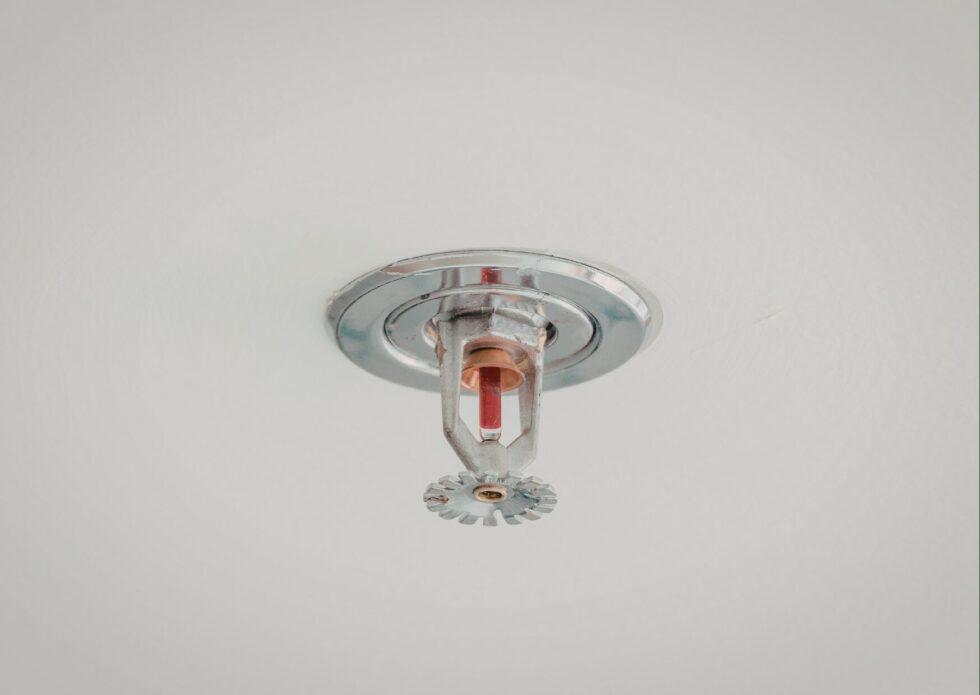
You need fire sprinklers if your commercial building is 5,000 square feet or larger, stands taller than 55 feet, or falls into certain occupancy categories. Most new commercial construction in California requires automatic sprinkler systems, and many renovations trigger installation requirements even if your building was previously exempt. Getting it right usually means bringing in a licensed commercial fire protection contractor who knows how California code applies to your specific building.
The rules get tricky when you’re expanding an existing building, changing how you use the space, or working in older structures. Your local fire marshal makes the final call, but national codes set the baseline.
Quick Reference: Do You Need Sprinklers?
Your building needs automatic fire sprinklers if any of these apply:
New Construction:
- 5,000 square feet or larger
- Any building over 55 feet tall
- Townhomes with more than two units
- Most Group A (assembly) occupancies
- Educational buildings over certain sizes
- Healthcare and institutional facilities
Existing Buildings:
- You’re expanding beyond 12,000 square feet total
- You’re adding space that pushes you over 5,000 square feet
- You’re changing occupancy type and need a new certificate
- Local codes require retrofitting for your use type
Automatic Triggers:
- High-rise buildings (always)
- Underground structures
- Buildings without adequate fire department access
- Hazardous materials storage areas
The rest of this article breaks down exactly when these rules kick in and what they mean for your property.
Fire Sprinkler Installation Requirements for Commercial Buildings
New commercial buildings over 5,000 square feet must have automatic fire sprinklers installed throughout the entire structure. This rule comes from NFPA 13, the national standard that most jurisdictions adopt.
That 5,000 square foot measurement refers to the “fire area” of your building. A fire area is a section of your building separated by fire-rated walls and doors. If your 8,000 square foot building has a two-hour fire wall dividing it into two 4,000 square foot sections, you might not need sprinklers. But most buildings don’t have that kind of separation.
The square footage includes all floors. A two-story building with 3,000 square feet per floor counts as 6,000 square feet total. You need sprinklers.
California follows NFPA 13 but allows cities and counties to adopt stricter rules. Los Angeles requires sprinklers in buildings as small as 3,600 square feet in some zones. Orange County sticks closer to the 5,000 square foot standard. Always check with your local building department before assuming you’re exempt.
Height-Based Requirements for Fire Sprinkler Installation
Any building taller than 55 feet needs automatic sprinklers regardless of square footage. This measurement goes from the lowest level of fire department vehicle access to the floor of the highest occupiable story.
Parking structures count differently. If you have ground-floor retail and three levels of parking above it, you measure from the retail level, not from the top of the parking structure.
Buildings between 50 and 55 feet often still need sprinklers because local codes round down or include rooftop mechanical equipment in the calculation. Plan for sprinklers if you’re anywhere close to that 55-foot mark.
High-rise buildings get additional requirements beyond basic sprinklers. You need standpipe systems, fire pumps to maintain pressure at upper floors, and often redundant water supplies. These buildings also need sprinklers in every space including mechanical rooms, elevator shafts, and areas that shorter buildings can sometimes leave unprotected.
Sprinkler Rules for Retail Stores and Public Assembly Buildings

Retail buildings have different thresholds depending on what you’re selling and how many people you expect inside.
Group M (mercantile) occupancies over 5,000 square feet need sprinklers. That includes:
- Stores and shops
- Markets and department stores
- Sales showrooms
- Retail areas inside other buildings
If you sell items that burn easily or create hazardous conditions when they burn, you might need sprinklers even below 5,000 square feet. Paint stores, fabric shops, and businesses with significant paper inventory often fall into this category.
Group A (assembly) occupancies face stricter rules because of occupant load. You need sprinklers if:
- Your space holds more than 300 people
- You have an occupant load of 100 or more below grade
- You’re operating a nightclub or bar with live entertainment
- You have fixed seating for 1,000 or more people
These rules apply to restaurants, theaters, concert venues, churches, lecture halls, and any space where people gather. The occupant load calculation uses square footage and furniture layout, not how many people you think will show up. Your local fire marshal calculates this number during plan review.
Warehouse Sprinkler Requirements
Warehouses and industrial buildings need sprinklers when they hit 5,000 square feet, but the type of sprinkler system depends on what you’re storing and how high you’re stacking it.
Standard commercial sprinklers work for general warehousing up to about 12 feet of storage height. Stack higher than that and you need special high-piled storage sprinklers with more water flow and pressure. These systems cost substantially more to install.
Buildings that store hazardous materials face different rules. You might need sprinklers at 2,500 square feet or less depending on what you’re keeping inside. Flammable liquids, oxidizers, and other hazardous materials have their own sections in the fire code with specific sprinkler requirements.
Manufacturing facilities need sprinklers based on what you’re making and what processes you’re running. Welding areas, spray booths, areas with open flames, and spaces with combustible dust all trigger sprinkler requirements regardless of building size.
Cold storage warehouses present special challenges. Standard wet pipe sprinklers freeze in those environments. You need dry pipe or pre-action systems that cost more to install and maintain. Some cold storage operators avoid this cost by keeping individual cold rooms below 5,000 square feet and separating them with fire walls, but this approach requires careful planning with your architect and fire protection engineer.
Sprinkler Requirements for Apartments, Townhomes, and Condos

Townhomes with more than two dwelling units in a single building structure need automatic sprinklers throughout. This rule has been in place since 2011 under NFPA 13R.
Apartment buildings over three stories tall need sprinklers in all units and common areas. Buildings with three stories or fewer might need them depending on total square footage and local codes. Most jurisdictions require sprinklers in apartment buildings over 5,000 square feet.
California adopted stricter residential sprinkler requirements than many states. New single-family homes in California need sprinklers if they’re over 5,000 square feet or lack adequate fire department access. Many California cities require sprinklers in all new residential construction regardless of size.
Condominiums follow the same rules as apartments. The building height and total square footage determine whether you need sprinklers, not how the units are owned.
Mixed-use buildings with residential units above commercial space almost always need sprinklers throughout. The commercial component usually triggers the requirement, and once you’re installing sprinklers, code requires you to protect the entire building.
Renovations That Force You to Install Sprinklers Throughout Your Building
Adding square footage to an existing building can trigger sprinkler requirements even if your building was built before sprinklers were required.
The rule works like this: if your renovation or expansion pushes your total building size over 12,000 square feet, you need to install sprinklers throughout the entire building, not just the new section. This catches a lot of building owners by surprise.
Example: Your warehouse is currently 10,000 square feet and doesn’t have sprinklers because it was built in 1985. You want to add 3,000 square feet. Your total building will be 13,000 square feet. You now need to sprinkler the entire 13,000 square foot building, not just the new 3,000 square foot addition.
Smaller renovations can also trigger sprinkler requirements if you change the occupancy type. Converting an office building to a restaurant might require sprinklers even if you’re not adding square footage. Any time you need a new certificate of occupancy for a tenant space, your local building department will review whether sprinklers are required under current codes.
Substantial remodels trigger full code compliance. Most jurisdictions define “substantial” as work that affects more than 50% of the building’s value or square footage. If you’re doing that much work, you’re bringing the entire building up to current code, which probably means adding sprinklers.
Some cities have retrofit requirements that force sprinkler installation during any major renovation regardless of scope. San Francisco requires sprinklers when you pull permits for work valued at over a certain dollar threshold. Check your local retrofit requirements before planning major remodeling projects.
How Switching Business Types Forces Sprinkler Installation

Changing how you use your building often triggers sprinkler requirements because different occupancy types carry different fire risks.
Converting office space to retail usually requires sprinklers. Retail occupancies (Group M) have stricter sprinkler requirements than office buildings (Group B) because of higher occupant loads and more combustible contents.
Turning a warehouse into a restaurant or event space almost always triggers sprinklers. Assembly occupancies (Group A) need sprinklers at lower square footage thresholds than warehouses (Group S).
Adding a commercial kitchen to an existing building triggers sprinkler requirements in most cases. Commercial kitchens need both wet sprinklers and specialized suppression systems over cooking equipment.
Any change that increases your occupant load substantially can trigger sprinkler requirements. Adding fixed seating to a space, removing walls to create larger open areas, or changing from one business type to another with more customers all potentially require sprinklers.
Your building department reviews occupancy classification during the permit process. They compare your current certificate of occupancy to your proposed use. If the change moves you into a category that requires sprinklers, you’re installing sprinklers.
California-Specific Requirements for Fire Sprinkler Installation
California uses the California Building Code (CBC) and California Fire Code (CFC), which are based on international codes but include state-specific amendments.
The CBC generally follows NFPA 13’s 5,000 square foot rule for commercial buildings. But individual cities and counties add their own requirements on top of state code.
Los Angeles has some of the strictest requirements in California. Many buildings in LA need sprinklers at 3,600 square feet depending on occupancy type. High-rise buildings in LA face additional seismic requirements for sprinkler piping that don’t apply in other parts of the state.
Orange County stays closer to standard NFPA requirements. Most commercial buildings need sprinklers at 5,000 square feet. But individual cities within Orange County can adopt stricter standards. Anaheim and Santa Ana have different requirements than smaller cities in the county.
Riverside and San Bernardino counties follow CBC standards for most applications. Desert areas in these counties sometimes allow larger buildings without sprinklers if they meet specific fire department access requirements and have adequate water supply.
Seismic requirements affect sprinkler installation costs throughout California. Sprinkler piping needs flexible connections and seismic bracing that buildings in other states don’t require. This adds to installation costs but protects the system during earthquakes.
California also has strict requirements for backflow prevention devices on sprinkler systems. Every system needs a testable backflow preventer where it connects to the municipal water supply. These devices need annual testing by a certified technician.
Which Buildings Don’t Need Sprinklers
Some buildings are exempt from sprinkler requirements even if they exceed 5,000 square feet.
Detached single-family homes don’t need sprinklers in most California jurisdictions if they’re under 5,000 square feet and have adequate fire department access. Some cities require them anyway, but state code doesn’t mandate sprinklers in small single-family homes.
Agricultural buildings used for farming operations are often exempt. Barns, equipment storage buildings, and similar agricultural structures don’t need sprinklers unless they include occupied spaces or hazardous materials storage.
Some industrial occupancies with extremely high ceilings and minimal combustible content can avoid sprinklers. But this exemption requires a fire protection engineer’s analysis and approval from your local fire marshal. Don’t count on this exemption unless you’ve already confirmed it with your jurisdiction.
Buildings with adequate fire separation can sometimes avoid sprinklers. If you divide a large building into smaller fire areas using two-hour fire walls, each fire area is evaluated separately. Two 4,000 square foot fire areas in one building don’t trigger the 5,000 square foot requirement.
Parking structures without enclosed spaces sometimes avoid sprinklers if they’re open-air and meet specific ventilation requirements. Enclosed parking or parking below occupied buildings almost always needs sprinklers.
Operating Without Required Sprinklers: Enforcement and Liability
Operating a building that should have sprinklers but doesn’t create serious liability and code enforcement problems.
Your local fire marshal can red-tag your building and force you to cease operations until you install sprinklers or obtain a variance. This process can take months and costs you revenue every day you’re shut down.
Insurance companies often refuse to cover buildings that violate fire codes. If you have coverage and something happens, your insurer can deny claims based on code violations. Some policies automatically increase premiums or add exclusions for buildings without required sprinklers.
Selling or refinancing a non-compliant building becomes difficult. Buyers and lenders require code compliance reports. When inspectors find missing sprinklers, the sale price drops or deals fall apart. You’ll need to either install sprinklers or sell at a significant discount.
Tenant lawsuits can result if someone gets hurt in a fire and your building lacked required sprinklers. Courts generally don’t look favorably on building owners who knowingly operate non-compliant properties.
Some jurisdictions fine building owners for each day they operate without required fire protection systems. These fines add up quickly and you still need to install the system eventually.
How Fire Marshals Enforce Requirements
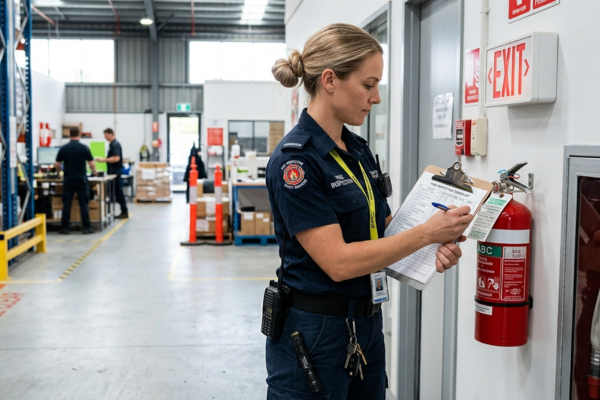
Your local fire marshal or Authority Having Jurisdiction (AHJ) enforces fire sprinkler requirements. These officials review building plans during the permit process and conduct inspections of existing buildings.
New construction requires plan review before you get a building permit. Your architect or fire protection engineer submits sprinkler system plans along with building plans. The fire marshal reviews these plans to confirm they meet code requirements. You can’t get a certificate of occupancy without approved sprinkler plans and a final inspection showing the system works correctly.
Existing buildings get inspected during routine fire safety inspections or when you pull permits for renovations. If the inspector determines your building should have sprinklers under current codes, they can require installation even if the building was legal when it was built.
Some jurisdictions have retrofit programs that require sprinklers in older buildings on a specific timeline. These programs usually target high-risk occupancies first, such as nightclubs, hotels, and high-rises. You might receive a notice giving you 12 to 24 months to install sprinklers.
You can request a variance or alternative compliance method if sprinkler installation is extremely difficult or expensive. But variances are rare. You need to prove that installing sprinklers is technically impossible or that you’re providing equivalent fire protection through other means.
Working with the fire marshal early in your project prevents surprises. Schedule a pre-application meeting to discuss your project before you invest in detailed plans. Fire marshals can tell you exactly what they’ll require and sometimes suggest approaches that reduce costs while meeting code requirements.
Verifying Requirements for Your Specific Building
Start with your local building department or fire marshal’s office. Call them and describe your building. They’ll tell you whether sprinklers are required under local codes.
Bring basic information to this conversation:
- Building address and square footage
- Current use and any planned changes
- Building height and number of stories
- Age of the building and existing fire protection systems
- Scope of any planned renovations or expansions
Many jurisdictions have online permit portals where you can look up requirements. Enter your address and these systems often show what codes apply to your property.
Hire a fire protection engineer for complex situations. These professionals specialize in fire sprinkler systems and code compliance. They can evaluate your building, identify what’s required, and often find cost-effective solutions that meet code requirements.
Your architect or general contractor should identify sprinkler requirements during the design phase of any project. But verify their conclusions with the fire marshal before you finalize plans. Contractors sometimes miss requirements and finding out during construction costs more than addressing requirements upfront.
Check whether your building is in a special fire district or has unique requirements based on location. Buildings near wildfire risk areas, in high-density urban zones, or in historic districts sometimes face different requirements than standard commercial buildings.
Review your current insurance policy. Your insurance company likely has fire protection requirements that might exceed code minimums. Meeting these requirements can reduce your premiums substantially.
When to Install Sprinklers Even If Not Required
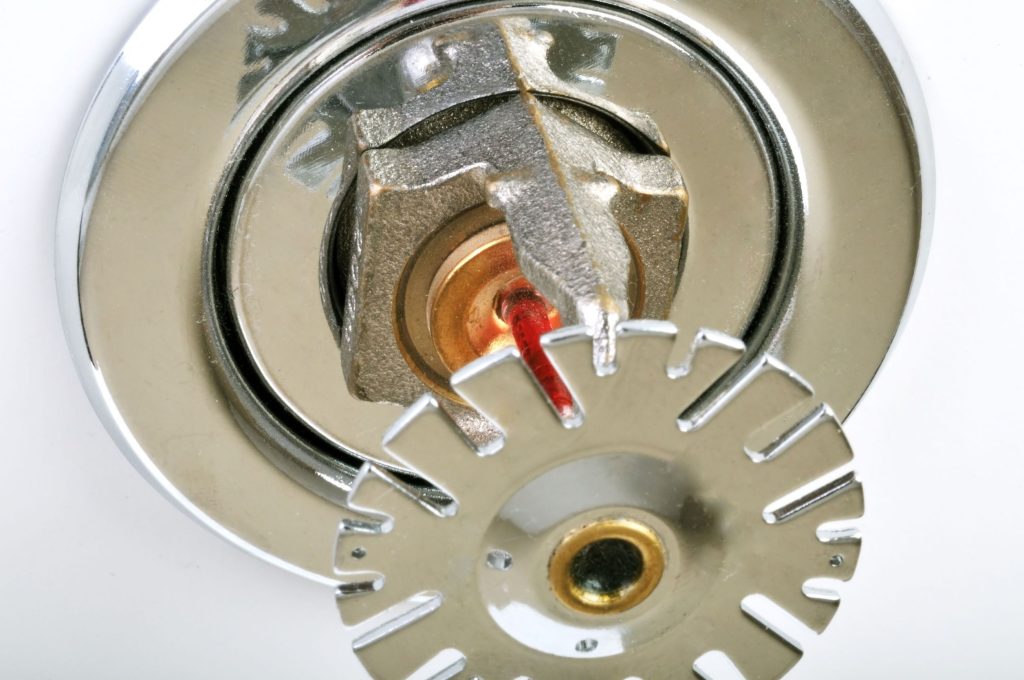
Some building owners install sprinklers even when codes don’t require them. This decision makes sense in specific situations.
Insurance savings can offset installation costs over time. Buildings with sprinklers get substantially lower insurance rates than identical buildings without sprinklers. Calculate the premium difference over 10 years and compare it to installation costs.
Property value increases when you add sprinklers. Buyers pay more for buildings with modern fire protection systems. Tenants prefer sprinklered buildings because their insurance costs less too.
If you’re planning future expansions, installing sprinklers now might be cheaper than waiting. Adding sprinklers to an occupied building costs more than installing them during construction or major renovations.
Buildings in high-fire-risk areas benefit from sprinklers even if they’re not required. Wildfire risk areas throughout Southern California see property insurance premiums increasing dramatically. Sprinklers can keep your building insurable when surrounding properties lose coverage.
Some tenants require sprinklers in their lease agreements regardless of what local codes mandate. National retailers and restaurant chains often have corporate fire protection standards that exceed local requirements. Installing sprinklers opens your building to these tenants.
Final Thoughts
Fire sprinkler requirements depend on your building’s size, height, use, and location. Most commercial buildings over 5,000 square feet need sprinklers. Buildings over 55 feet tall need them regardless of square footage. Renovations and occupancy changes can trigger requirements in buildings that were previously exempt.
Your local fire marshal makes the final determination about what’s required for your specific building. Contact them before starting any construction project or changing how you use your space. Installing sprinklers that weren’t planned for adds significant time and cost to projects.
Spectrum Fire Protection designs and installs fire sprinkler systems throughout Southern California. We work with building owners, architects, and general contractors to meet local fire codes while controlling costs. Call us at (714) 213-8451 to discuss sprinkler requirements for your building.


.png)

.png)

.png)


.png)