

.png)
When a fire starts in a commercial building, the first 60 seconds determine whether everyone gets out safely. Most people freeze. Some run for the nearest exit. A few try to put the fire out without thinking it through. The difference between a small contained incident and a tragedy is often whether the people on site know the right sequence of actions to take.
That sequence has a name. RACE. Four letters. Four steps. Memorized in 60 seconds, executed in any order of urgency the situation demands. RACE is taught in healthcare facilities, schools, hotels, restaurants, and offices across California because it works. It saves lives. And every employer who has employees on site should make sure their team knows it.
This guide breaks down exactly what RACE means, why each step matters, when to follow the sequence strictly and when to adapt, how to train employees on it, and what California law requires you to do about fire emergency procedures. After 39 years of fire protection work in Orange County, we have seen RACE work in real emergencies and we have seen the consequences when employees did not know it. This article shares both.
What Does RACE Stand For?
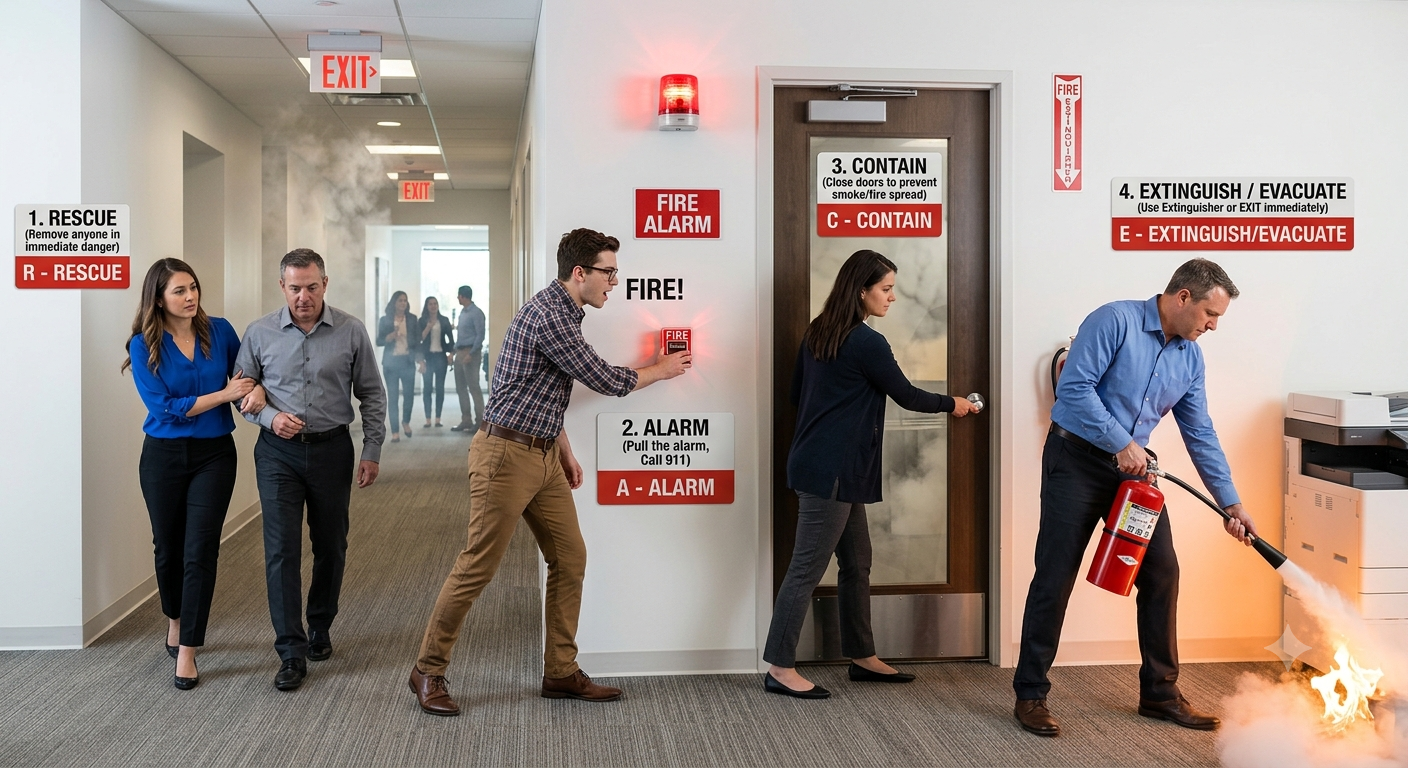
RACE is an acronym used to remember the four immediate actions to take when a fire is discovered. Each letter represents a critical step that must happen quickly. The order matters because each step builds on the one before it.
- R stands for Rescue. Remove anyone in immediate danger from the fire area.
- A stands for Alarm. Activate the fire alarm to alert other occupants and notify emergency services.
- C stands for Contain. Close doors and windows to slow the spread of fire and smoke.
- E stands for Extinguish if safe to do so, or Evacuate if the fire has grown beyond the early stage.
The brilliance of RACE is its simplicity. Four words anyone can remember. Four actions anyone can take. And the order itself protects lives by putting human safety before property protection at every step.
The History and Origin of RACE
RACE originated in healthcare facilities, where the procedure has been part of fire response training for decades. Hospitals and nursing homes face unique fire risks because many patients cannot evacuate themselves. A fire in a patient room creates immediate life safety concerns that require trained staff to respond in a specific order.
The acronym evolved out of fire safety drills required by The Joint Commission, the accreditation body for hospitals, and was reinforced by federal Medicare and Medicaid certification requirements. Healthcare fire safety experts needed a memory aid that staff under stress could recall and execute. RACE became that aid.
Over time, RACE spread far beyond hospitals. Today it is taught to employees in schools, hotels, restaurants, retail businesses, manufacturing plants, and office buildings. Anyone who works in a building with fire risk benefits from knowing it. Property managers in Orange County's hotels, restaurants, and commercial properties use RACE training as part of their standard onboarding for new employees.
RACE is also referenced in major fire safety standards, including NFPA 101 (Life Safety Code) and NFPA 99 (Health Care Facilities Code). The acronym shows up in regulatory guidance from federal OSHA and Cal/OSHA, and it appears in employee fire safety training materials across virtually every industry that takes fire safety seriously.
R Is for Rescue
The first letter of RACE stands for Rescue. The moment a fire is discovered, the first action is to remove anyone in immediate danger from the fire area. This is the highest priority because human life cannot be replaced. Property can. Equipment can. Buildings can be rebuilt. People cannot.
What Rescue Means in Practice
Rescue does not mean charging into a burning room to save someone. It means assessing who is in immediate proximity to the fire and helping them get out of that area to a safer location. If a fire breaks out in a kitchen, rescue means making sure the line cook and prep cook leave the kitchen. If a fire breaks out in a hotel guest room, rescue means making sure the guest leaves the room. If a fire breaks out in a classroom, rescue means making sure students leave the classroom.
Who Rescues Whom
In most workplaces, employees rescue other employees and customers in their immediate area. In healthcare facilities, trained staff rescue patients who cannot evacuate themselves, often moving them to a safer area within the building rather than evacuating outside. In schools, teachers rescue students from classrooms by leading them to designated evacuation routes. The principle is the same in every setting: the people closest to the danger help the people who cannot help themselves.
When NOT to Attempt Rescue
Rescue has limits. Employees and bystanders should never attempt to rescue someone if doing so puts their own life at serious risk. If a person is trapped in a room with active heavy fire, the rescue attempt is for trained firefighters, not coworkers. Heroic rescue attempts by untrained people are a leading cause of fire fatality multiplication, where one death becomes two or three because someone tried to save the first victim and got trapped.
The personal safety priority is absolute. Rescue what you can rescue safely, and let trained responders handle the rest. This is harder than it sounds when the person trapped is a coworker or guest you know, but the principle protects everyone in the long run.
A Is for Alarm
The second letter of RACE stands for Alarm. As soon as the immediate rescue is underway or complete, the next action is to activate the fire alarm system. This serves three purposes that all happen at once.
Why Alarms Matter
First, the alarm alerts every other occupant in the building that there is a fire. Most people will hear the alarm long before they smell smoke or see flames, which gives them a critical head start on evacuation. Second, modern commercial fire alarm systems automatically notify the fire department, dispatching units to your location while you are still on site responding. Third, the alarm activates building safety features such as automatic door closure, elevator recall, smoke control systems, and emergency lighting.
How to Activate the Alarm
Manual pull stations are located near exits in every commercial building. To activate, lift the cover (most have a tamper alert that triggers when lifted) and pull down on the handle. The handle stays in the down position, which alerts firefighters to which pull station was used. Some pull stations have a glass rod or break panel that requires breaking before activation.
Every employee should know where the closest pull station is to their work area. During RACE training, employees should physically locate the nearest pull station, the next nearest, and the path to each. This knowledge becomes automatic when needed under stress.
Pull the Alarm Even If You See a Small Fire
A common mistake is to think the fire is small enough to handle without alerting anyone. This judgment is almost always wrong. Small fires can grow into large fires in 60 seconds. Smoke can incapacitate people who are not aware of the fire. By the time someone realizes the situation is worse than they thought, the alarm is overdue and other occupants have lost critical evacuation time.
Pull the alarm first. If the fire turns out to be small and is handled, the worst outcome is a fire department response to a contained incident, which firefighters consider a good outcome. If the fire turns out to be serious, the alarm activation may have saved lives.
Call 911 Anyway
Even after pulling the alarm, call 911 from a safe location to confirm the dispatch and provide details. Automatic monitoring services route fire alarm signals to the appropriate fire dispatch, but Orange County Fire Authority and city fire departments always benefit from additional details about the fire's location, size, and any known hazards. Tell them what you see.
C Is for Contain
The third letter of RACE stands for Contain. After people are out of immediate danger and the alarm is sounding, the next action is to slow the spread of fire and smoke by closing doors and windows in the fire area. This step is the most underrated in fire safety and often makes the biggest difference in outcomes.
How Closed Doors Save Lives
Fire spreads through buildings by following oxygen and combustible materials. A closed door cuts off both. Smoke and superheated gases that would have flowed into corridors and adjacent rooms instead stay trapped in the room of origin, where they have far less impact on people elsewhere in the building. A closed door can buy 10 to 20 minutes of survivable conditions in adjacent areas, which is enough time for evacuation and firefighter arrival.
Fire-Rated Doors and Building Construction
Commercial buildings in California are typically constructed with fire-rated doors and walls designed to compartmentalize the building into fire-resistant sections. Hotel guest rooms have fire-rated doors with self-closing hardware. Hospital patient rooms have fire-rated doors with automatic closure systems. Office building corridors are typically rated to contain fires within tenant spaces. These features only work if the doors are actually closed when fire occurs.
Doors propped open with wedges, doorstops, or boxes defeat the entire containment system. This is a Cal/OSHA citable violation and a fire code violation. During RACE response, employees should close any propped doors they encounter, both in the fire area and along the evacuation path.
What Containment Looks Like in Different Settings
In a hotel, containment means closing the guest room door behind you when you exit and helping close adjacent guest room doors as you move down the corridor. In a hospital, it means closing patient room doors and any fire doors in corridors that are not automatically closed by the alarm system. In an office, it means closing the door to the room where the fire started and any rated corridor doors. In a restaurant, it means closing the kitchen door behind you as you move to the dining room and exits.
Don't Lock Doors
Containment does not mean locking. Doors should be closed but not locked. Firefighters arriving at the scene need to be able to open every door to confirm the fire's location and check for any occupants who may have sheltered in place. Locked doors slow firefighter response and can leave occupants trapped.
E Is for Extinguish (or Evacuate)
The fourth letter of RACE stands for two possible actions depending on the situation. If the fire is small, contained, and you have training and equipment, Extinguish. If the fire has grown beyond the early stage, Evacuate. The decision must be made quickly and honestly.
When to Extinguish
Extinguishing is appropriate only for incipient stage fires, which means very small fires you discover before they have grown. Think of a wastebasket fire, a small grease fire just starting on a stovetop, a single piece of electrical equipment beginning to smoke, or a single flame from a heater contacting curtains. These fires can be controlled with a fire extinguisher used correctly within the first 30 to 60 seconds.
When NOT to Extinguish
Extinguishing is inappropriate when the fire has reached the growth stage. Signs include flames taller than 18 inches, heavy smoke filling the room, fire spreading to multiple objects or surfaces, fire near combustible structural materials, or any fire that an extinguisher discharge does not immediately knock down. In these cases, evacuate immediately. Trying to fight a growth-stage fire with a portable extinguisher is dangerous and ineffective.
The PASS Technique
If you are extinguishing a fire, use the PASS technique. PASS is another acronym, this one for how to operate a fire extinguisher.
- P stands for Pull. Pull the safety pin at the top of the extinguisher.
- A stands for Aim. Aim the extinguisher hose or nozzle at the base of the fire, not at the flames.
- S stands for Squeeze. Squeeze the handle to discharge the extinguishing agent.
- S stands for Sweep. Sweep the discharge from side to side across the base of the fire until the flames are out.
Most commercial fire extinguishers discharge their full contents in 8 to 25 seconds. There is no second chance with a single extinguisher. If the fire is not out when the extinguisher is empty, the situation has progressed beyond extinguishment and you must evacuate.
When to Evacuate
Evacuation is the right choice when the fire is too large to extinguish safely, when you do not have proper training, when you do not have the right type of extinguisher for the fire, when smoke is making the area difficult to see or breathe, or when you have any doubt about your ability to safely extinguish. The default decision under uncertainty is always evacuate.
Evacuation should follow the building's established evacuation plan. Use the nearest safe exit, not the closest exit if that exit is in the direction of the fire. Use stairwells, not elevators. Help anyone who needs assistance during evacuation. Once outside, go to the designated assembly area and stay there until accounted for and released by emergency responders.
RACE and PASS: How They Work Together
RACE and PASS are different but complementary. RACE is the overall fire emergency procedure: what to do first, second, third, and fourth when a fire is discovered. PASS is the specific technique for one of the steps in RACE: how to operate a fire extinguisher if extinguishment is the right choice.
Every employee who might use a fire extinguisher should know both. RACE tells them when and whether to attempt extinguishment. PASS tells them how to do it once they decide to attempt it. The two together cover the complete fire response from discovery through resolution.
Training that covers only one of the two is incomplete. An employee who knows PASS but not RACE may attempt to extinguish a fire that is too large, putting themselves and others at risk. An employee who knows RACE but not PASS may try to extinguish a small fire and waste the extinguisher's discharge by aiming at flames instead of the fuel source. Both acronyms work together to produce safe outcomes.
Who Needs to Know RACE?
RACE training is appropriate for virtually any employee who works in a commercial building. Some industries have specific requirements and others rely on RACE as best practice, but every workplace benefits from employees who know what to do in the first minute of a fire.
Healthcare Facilities
Hospitals, surgical centers, nursing homes, and assisted living facilities are required to train staff on RACE by The Joint Commission, CMS, and California Department of Public Health regulations. Healthcare RACE training includes specific procedures for patient rescue, often involving moving patients laterally to safer smoke compartments rather than evacuating the building. Healthcare staff conduct multiple fire drills annually with documented results.
Schools and Childcare Facilities
Schools and licensed childcare facilities must train staff on fire emergency procedures and conduct regular fire drills. RACE provides the framework for staff response, with student evacuation as a primary outcome. California schools conduct multiple fire drills per year with documented attendance, evacuation times, and identified improvements.
Hotels and Hospitality
Hotels in Anaheim's Resort District, on the coast, and throughout California train front desk staff, housekeeping, food service, and management on RACE because fires in hotels create unique challenges around guest evacuation. Many Orange County hotels run quarterly fire drills as part of their safety programs.
Restaurants and Food Service
Restaurant kitchens have higher fire risk than most workplaces due to cooking operations, grease accumulation, and high-heat equipment. Kitchen staff should know RACE specifically as it applies to kitchen fires, including when to use the K-class extinguisher versus the wet chemical hood suppression system. Front-of-house staff should know RACE for dining room evacuation.
Manufacturing and Industrial
Manufacturing facilities often have specialized fire risks (combustible dust, flammable liquids, hot work) that require facility-specific RACE adaptations. Industrial RACE training typically includes alarms at multiple workstations, designated fire teams, and specific extinguisher placement at known hazard points.
Office Buildings and Retail
Office buildings and retail spaces have lower fire risk than industrial or healthcare environments but still benefit from RACE training. Office RACE training focuses on tenant space evacuation, kitchen and break room fires, and electrical fires in IT closets or server rooms.
How to Train Employees on RACE
RACE training is not complicated but it requires real planning to be effective. Showing employees a video once during orientation is not enough. Effective RACE training has several elements that work together.
Initial Training at Hire
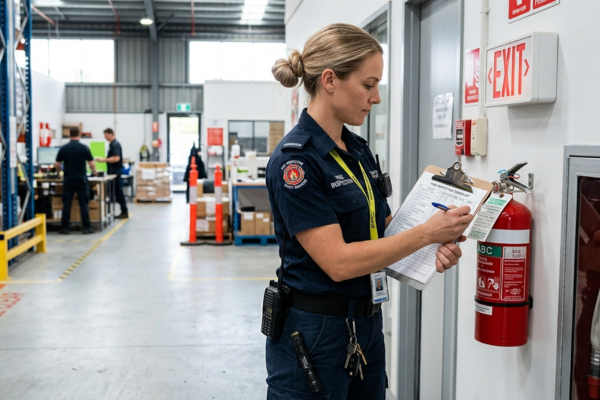
Every new employee should receive RACE training during their first week on the job. The training should cover the meaning of each letter, the order of operations, the physical locations of fire alarm pull stations and exits, the locations and types of fire extinguishers in their work area, and the building's specific evacuation procedure and assembly area.
Annual Refresher Training
Cal/OSHA requires annual fire extinguisher training for employees expected to use extinguishers. RACE refresher training should happen on the same schedule. Cal/OSHA documentation requirements mean you need attendance records, training content lists, and training dates for every employee, every year.
Fire Drills
RACE training is most effective when followed by fire drills that put the procedure into practice. Healthcare facilities are required to conduct multiple drills per year. Schools must conduct fire drills. Many commercial properties conduct annual or semi-annual drills as best practice. During drills, employees practice rescue, alarm activation (sometimes simulated), containment by closing doors, and evacuation to assembly areas.
Documented Training
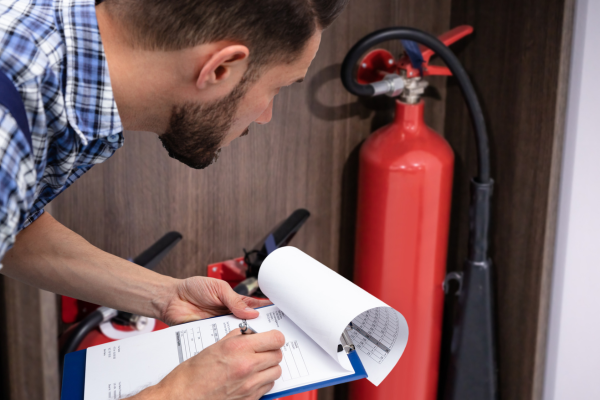
All RACE training must be documented in writing. Records should include the date of training, the names of attendees, the content covered, the trainer's name and credentials, and any quiz or assessment results. Cal/OSHA inspectors, accreditation surveyors, and insurance carriers all expect to see training documentation on demand.
Visual Reminders
Post RACE acronym reminders in employee break rooms, near pull stations, and in employee orientation materials. Many California workplaces also post PASS reminders near fire extinguishers. Visual reminders reinforce training between formal sessions and help employees recall the steps quickly when needed.
Common Mistakes With RACE
Even well-trained employees make mistakes with RACE under the stress of an actual emergency. Awareness of common mistakes during training helps prevent them in real situations.
Trying to Extinguish First
The most common mistake is going straight to extinguishment without rescuing anyone in immediate danger or sounding the alarm. This often happens when the person who discovers the fire feels personally responsible for stopping it before anyone notices. The result is delayed alarm activation, delayed evacuation for other occupants, and often a failed extinguishment attempt that wastes time the building's occupants needed to evacuate safely.
Doing Steps Out of Order
RACE works because the order protects lives. Skipping rescue and going straight to alarm leaves the person in danger. Skipping alarm and going to contain or extinguish leaves other occupants unaware. Each step protects the next. Training should emphasize that the order is not arbitrary.
Misjudging Fire Size
Employees often overestimate their ability to extinguish a fire. A fire that looks manageable in the first 10 seconds can be unmanageable in the next 30. The conservative judgment is always evacuate. The cost of evacuating from a small fire that could have been extinguished is minimal. The cost of trying to extinguish a fire that should have been evacuated from can be catastrophic.
Forgetting to Close Doors
Containment is the most skipped step because it does not feel as urgent as rescue, alarm, or extinguish. But closed doors save more lives in commercial fires than fire extinguishers do. Training should emphasize that closing the door is not optional, even if it adds 5 seconds to the response.
Returning to the Building
After evacuation, employees sometimes return to retrieve personal items, check on coworkers, or verify the fire is out. This is dangerous. Reentry should only happen after the fire department gives explicit clearance. Fires can flash up after appearing to be extinguished. Structures can collapse. Smoke conditions can change rapidly. The assembly area is not a temporary inconvenience; it is the safe location until responders confirm reentry is safe.
RACE in Specific Fire Scenarios
RACE works in any fire situation, but the specifics of each step vary based on the type of fire and the setting. Here is how RACE applies in common commercial fire scenarios.
Kitchen Grease Fire
Rescue: Get other staff out of the immediate kitchen area. Alarm: Pull the kitchen alarm or activate the building alarm. Contain: Close the kitchen door behind staff as they exit. Extinguish or Evacuate: If the fire is contained to a single pan and small, use a K-class extinguisher with PASS technique. If the fire has spread or the hood suppression system has activated, evacuate. Never use water on a grease fire.
Electrical Fire
Rescue: Move people away from the affected equipment. Alarm: Pull the building alarm. Contain: Close the door to the room with the electrical fire. Extinguish or Evacuate: If safe, shut off power to the affected equipment at the breaker. Use a CO2 or clean agent extinguisher (never water or ABC dry chemical on energized electrical equipment if avoidable). If the fire involves multiple devices or has spread to combustibles, evacuate.
Patient Room Fire (Healthcare)
Rescue: Move the patient out of the room to a safer area, often a smoke compartment on the same floor. Alarm: Activate the corridor pull station or follow facility code call procedure. Contain: Close the patient room door behind you. Extinguish or Evacuate: Use the appropriate extinguisher if the fire is small and you are trained, or follow the facility's defend-in-place protocol while waiting for firefighters.
Hotel Guest Room Fire
Rescue: Move the guest out of the room and into the corridor. Alarm: Pull the corridor alarm station. Contain: Close the guest room door behind the guest. Extinguish or Evacuate: For a small fire, use the corridor extinguisher if you have training. For most hotel staff, the appropriate response after rescue, alarm, and contain is to begin evacuating the floor and adjacent floors while waiting for the fire department.
Classroom Fire (School)
Rescue: Lead students out of the classroom in single file. Alarm: Pull the corridor pull station. Contain: Close the classroom door behind the last student. Evacuate: Follow the school's evacuation plan to the designated assembly area. Verify attendance against your class roster at the assembly area. Do not allow students to return for items.
OSHA and Cal/OSHA Requirements for Fire Emergency Training
RACE training is the practical implementation of broader fire emergency training required by federal and California occupational safety regulations. Understanding the underlying legal requirements helps employers comply with the rule and not just the recommendation.
Federal OSHA Requirements
Federal OSHA 29 CFR 1910.38 requires employers to have an emergency action plan that includes procedures for emergency evacuation, procedures for employees who remain to operate critical operations before evacuating, and procedures to account for all employees after evacuation. Employers must train new employees when first hired and when responsibilities or procedures change.
Cal/OSHA Requirements
California's Title 8 Section 3220 requires the same emergency action plan elements as federal OSHA but adds specific California requirements around documentation, communication, and training frequency. Section 6151 requires annual fire extinguisher training for employees expected to use extinguishers. Together these regulations create the legal foundation for RACE training in California workplaces.
Industry-Specific Requirements
Healthcare facilities have additional requirements from The Joint Commission (CMS conditions of participation), California Department of Public Health, and NFPA 99 specific to fire response in healthcare settings. Schools have additional requirements from the California Department of Education. Each industry layer adds specific RACE-related obligations on top of the general workplace requirements.
Documentation
All RACE-related training, drills, and emergency procedures must be documented. Records should be retained for the duration of employment plus at least three years for general industry. Healthcare facilities often retain training records permanently. Inspectors, surveyors, and insurance carriers all expect to see records on demand.
How to Implement RACE at Your Facility
Implementing RACE at a workplace that does not currently use it is a manageable project that follows a clear sequence. Here is the practical implementation path.
Step 1: Develop a Written Procedure
Document the RACE procedure as it applies specifically to your facility. Include the location of every pull station, every fire extinguisher, every evacuation route, and every assembly area. Include the specific roles of designated employees during a fire emergency. Make the document part of your written emergency action plan.
Step 2: Train Employees
Schedule RACE training sessions for all employees within 60 days of implementation. Use a combination of classroom training, video instruction, and physical walk-throughs of the facility. Verify that employees can identify the nearest pull station, nearest exit, and nearest fire extinguisher from their work area.
Step 3: Conduct a Drill
After initial training, conduct a fire drill that exercises the full RACE procedure. The drill should include simulated rescue, actual alarm activation (coordinated with your alarm monitoring company so they know it is a drill), containment by closing doors, and evacuation to the assembly area. Document the drill including time to evacuate, any issues encountered, and corrective actions.
Step 4: Document and File
Maintain training records, drill records, and updated emergency action plans in a central file accessible to safety personnel and available for inspection. Records should include dates, attendee names, content covered, drill performance metrics, and any updates to procedures.
Step 5: Review Annually
Review the RACE procedure and emergency action plan annually. Update if operations have changed, if employees have moved, if new equipment has been installed, or if drill results identified improvements. Conduct refresher training for all employees annually with attendance documented.
Step 6: Partner With a Fire Protection Contractor
Working with a licensed fire protection contractor like Spectrum Fire Protection connects RACE training to the broader fire safety program at your facility. The same contractor who services your fire extinguishers and inspects your fire alarm system can verify that your RACE procedure aligns with your actual equipment, identify gaps in coverage, and provide formal training for your employees.
Frequently Asked Questions About RACE
Is RACE required by law?
RACE itself is not specifically required by federal or California regulation, but the underlying fire emergency response procedures are required by both OSHA and Cal/OSHA. Healthcare facilities effectively must use RACE due to Joint Commission and CMS requirements. Most other industries adopt RACE because it is the most widely taught and easiest to remember fire response procedure.
Does RACE replace evacuation procedures?
No. RACE includes evacuation as part of the E step. Evacuation procedures are a subset of the broader RACE response. A complete emergency action plan includes RACE for first response and detailed evacuation procedures for getting everyone out of the building safely.
What's the difference between RACE and PASS?
RACE is the overall fire response procedure. PASS is the specific technique for operating a fire extinguisher. RACE tells you what to do when you discover a fire. PASS tells you how to use an extinguisher if extinguishment is the appropriate action. Both should be taught together as part of fire emergency training.
Who is responsible for RACE training at our facility?
The employer is legally responsible for ensuring employees receive proper fire safety training. The actual delivery can be done by a designated safety officer, an HR professional, a contracted training provider, or a licensed fire protection contractor. The employer must maintain training records and verify completion.
How often should we conduct fire drills?
Healthcare facilities are required to conduct multiple drills per year. Schools follow California Department of Education requirements. Other commercial workplaces are not required to conduct specific drill frequencies by Cal/OSHA, but annual drills are considered best practice and many insurance carriers require them as a condition of coverage.
Can RACE be adapted for home or residential settings?
Yes. The core RACE principles apply equally to residential settings. Rescue family members in immediate danger, sound the smoke alarm and call 911, close doors to contain spread, and either extinguish small fires or evacuate. Home fire safety training that uses RACE produces faster, safer responses to residential fires.
What if we have employees who don't speak English?
RACE training must be provided in a language and at a level employees can understand. For workplaces with Spanish-speaking employees, Cal/OSHA expects training materials, signage, and verbal instruction to be available in Spanish. Many California workplaces train RACE in both English and Spanish.
Should we test employees on RACE?
Verification of comprehension is best practice and often expected by inspectors and accreditation bodies. A simple quiz, verbal questioning, or demonstrating the procedure during a drill all serve as documentation that the employee understood the training. Untrained employees are a higher liability than employees with limited training.
The Bottom Line on RACE Fire Safety
RACE is one of the most important things any commercial employee can know. Four letters, four actions, the difference between a contained incident and a tragedy. The acronym is simple enough that anyone can memorize it in 60 seconds and execute it under stress, which is exactly what fire emergency response requires.
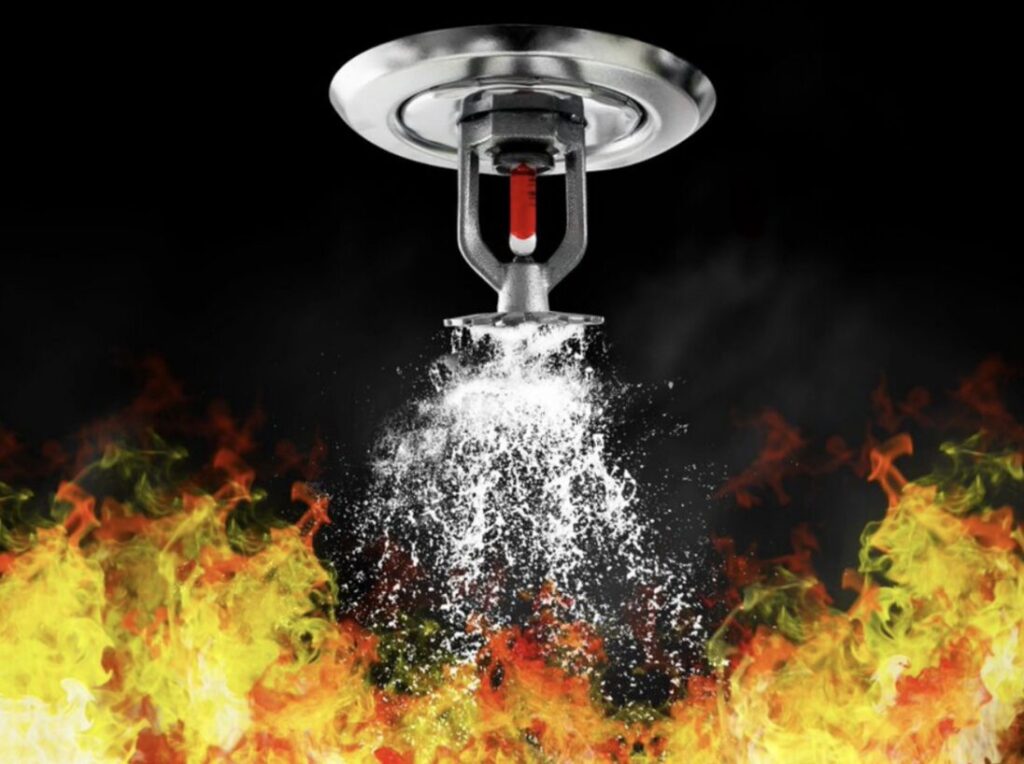
Every California employer should make RACE training part of standard onboarding for new employees and provide annual refresher training to existing employees. The training must be documented, supplemented with fire drills, and connected to the broader fire safety program at your facility including fire extinguisher service, fire alarm testing, and sprinkler maintenance. RACE without working equipment is incomplete, and working equipment without RACE training is incomplete. Both must be in place.
If your Orange County workplace needs help building a complete fire safety program that includes RACE training, fire extinguisher service, fire alarm testing, and code compliance documentation, contact Spectrum Fire Protection for a free consultation. Our team will review your existing program, identify gaps, and recommend a complete solution. Call (714) 213-8451 or schedule a consultation online.



.png)

.png)


.png)