

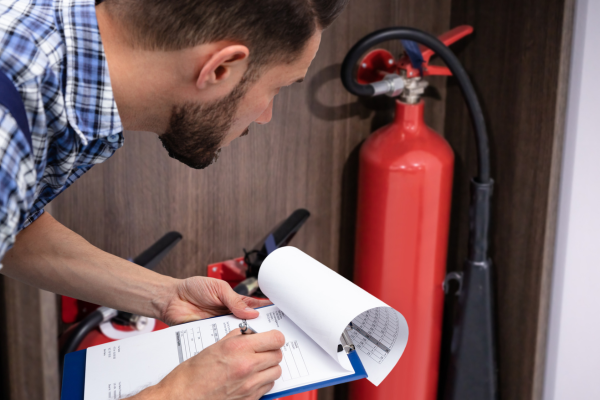
In Orange County, a failed restaurant fire inspection can shut your kitchen down within hours. With over 14,000 permitted food facilities operating under OCFA jurisdiction and city fire departments across the region, inspectors are systematic, thorough, and unforgiving when it comes to violations that could endanger guests or staff. The good news: every item they cite is preventable if you know exactly what to look for.
This fire inspection checklist for restaurants is built from 39 years of preparing Orange County kitchens full-service restaurants, quick-serve chains, food trucks, hotel kitchens, ghost kitchens, and culinary schools to pass their inspections cleanly. We've broken down every system inspectors check, the frequency requirements that apply under California Title 19 and NFPA standards, and the specific items that most often cause failures.
Whether you're preparing for your annual inspection, opening a new location, or recovering from a recent failure, this guide gives you the complete pre-inspection checklist your operations team can work through in advance. For broader context across all commercial property types, see our Fire Marshal Inspection Checklist for Orange County Commercial Properties. If you'd rather have a licensed professional walk through your facility before the inspector arrives, our Orange County fire protection team offers pre-inspection assessments across all 34 OC cities.
What Restaurant Fire Inspectors Actually Check in Orange County
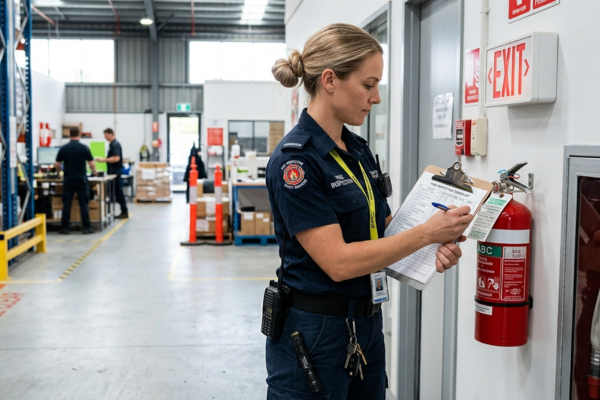
Restaurant fire inspections in Orange County are conducted by OCFA (Orange County Fire Authority) for the cities that contract with OCFA roughly 23 of 34 OC cities, plus all unincorporated areas. Cities with their own fire departments (Anaheim, Fullerton, Garden Grove, Huntington Beach, Orange, Newport Beach, and others) conduct their own inspections, but nearly all follow the same California Fire Code and NFPA standards.
For restaurants, the inspection covers eleven major categories:
- The kitchen fire suppression system over your cooking line
- All portable fire extinguishers (K-class, ABC, CO2)
- Exit signs and emergency lighting
- Paths of egress, exit hardware, and door operation
- Posted occupancy load
- Fire alarm system (where installed)
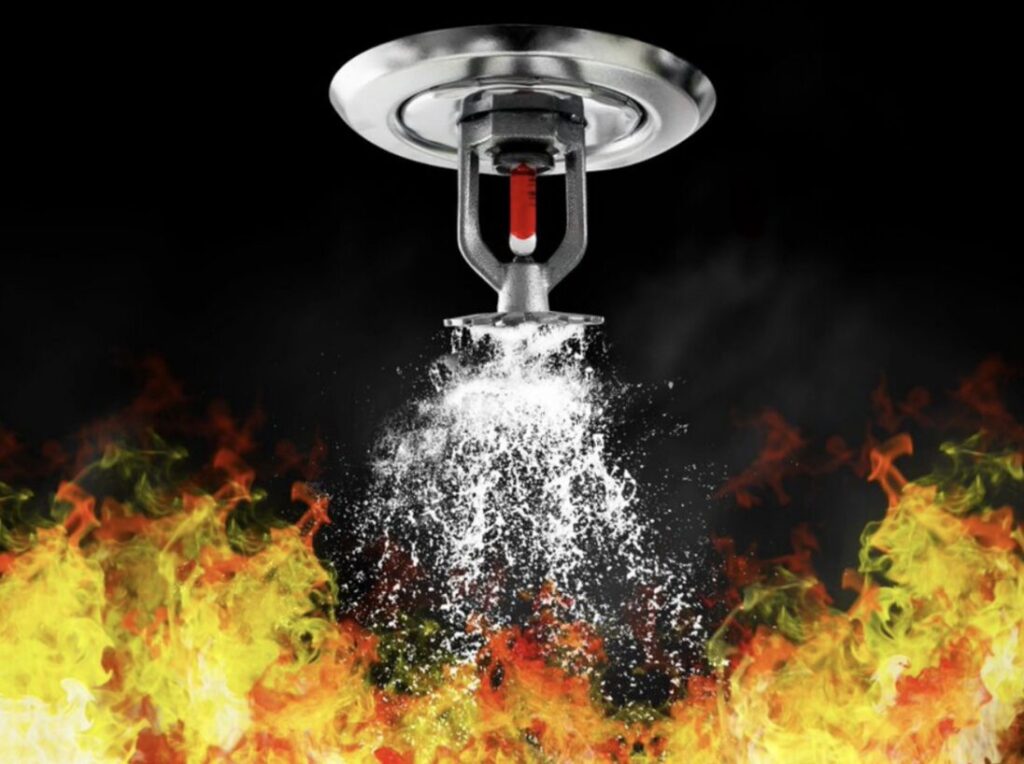
- Fire sprinkler system (where installed)
- Electrical safety in kitchen, prep, dining, and back of house
- Storage areas, walk-in coolers, and chemical storage
- Hood and duct cleaning records
- All current inspection tags and service documentation
Inspections happen at least annually for most restaurants, with more frequent system-specific inspections for high-hazard cooking operations. Failed items trigger a notice of violation with a re-inspection window typically 30 days for most issues, but severe deficiencies can lead to immediate closure orders.
The Complete Restaurant Fire Inspection Checklist
This checklist follows the same order most OC inspectors use during their walkthrough. Work through each section the week before your scheduled inspection.
Kitchen Hood and Fire Suppression System
The single most-cited area in restaurant inspections. Verify each item:
- Hood suppression system has a current semi-annual inspection tag (UL 300 systems require service every 6 months under NFPA 17A and California Title 19)
- All fusible links replaced annually these melt at specific temperatures to trigger the suppression system
- Fire suppression manual pull station is accessible within 10 to 20 feet of the hood and unobstructed
- Suppression nozzles cover all cooking appliances under the hood if you've added equipment since your last inspection, the system may no longer comply
- Gas shutoff valve is connected to the suppression system and operates automatically when triggered
- Hood, filters, and ductwork are clean to bare metal with no grease deposits exceeding 1/8 inch (per NFPA 96)
- Hood cleaning records are on-site for the past 12 months
- "Push button before opening hood" and "Manual pull" signs are visible per code
The full NFPA 96 compliance picture is covered in our NFPA 96 Inspection Checklist recommended reading if your restaurant runs high-volume cooking.
K-Class Fire Extinguisher (Required for Every Commercial Kitchen)
K-class extinguishers are specifically designed for cooking oil and grease fires. NFPA 10 requires every commercial kitchen to have at least one:
- Within 30 feet of any cooking appliance using vegetable or animal oils
- Mounted with the top no higher than 5 feet from the floor (for units over 40 pounds, no higher than 3.5 feet)
- Current annual inspection tag dated within the last 12 months
- Pressure gauge needle in the green operating range
- Pull pin intact, tamper seal in place
- "K-class extinguisher" sign clearly visible above or near the unit
- "In case of fire, push button on the hood first" instruction sign per NFPA 96
A common failure: restaurants install an ABC extinguisher near the kitchen and assume it covers cooking fires. It does not. ABC chemical extinguishers can actually spread a grease fire and create a dangerous chemical reaction. Always have at least one K-class unit per cooking station.
ABC Fire Extinguishers (Dining Area, Storage, Back of House)
Beyond the K-class in the kitchen, the rest of your restaurant needs ABC extinguishers under NFPA 10:
- One within 75 feet travel distance of any point in the building (Class A coverage)
- Mounted at proper height (top no more than 5 feet)
- Annual inspection tag current and visible
- Unit visible and not blocked by stored items, decor, or furniture
- "Fire Extinguisher" sign above each unit
- 5-pound minimum for most areas; 10-pound in larger spaces
For a comprehensive breakdown of placement rules, see our Fire Extinguisher Requirements for Commercial Buildings guide.
Exit Signs and Emergency Lighting
Exit and emergency lighting failures are the second-most-cited deficiency category in OC restaurants:
- All exit signs illuminated 24 hours per day, even when the restaurant is closed
- Battery backup operates for the required 90 minutes during a power outage
- Annual 90-minute load test documented with current sticker on each fixture
- Monthly visual inspections logged
- Exit signs visible from every seat in the dining area and every kitchen station
- No exit signs blocked by decor, plants, signage, hanging displays, or seasonal decorations
- Emergency lights illuminate all paths of egress (corridors, exits, stairs) to at least 1 foot-candle average
Exits and Paths of Egress
Inspectors will physically open every exit door:
- All exit doors unlocked from inside during business hours (no padlocks, no chains, no slide-bolts)
- Panic hardware on doors serving 50+ occupants
- Exit paths clear of storage, dollies, mop buckets, deliveries, or anything else
- Doors swing in the direction of egress for assembly occupancies
- Minimum 36 inches clear width maintained
- Exit door operates without keys, tools, or special knowledge
Posted Occupancy Load
Required for any assembly occupancy (most restaurants over 50 seats):
- Occupancy capacity sign posted in a conspicuous location near the main entrance
- Actual occupancy does not exceed the posted limit
- Sign matches the approved floor plan on file with the AHJ
Fire Alarm System (Where Installed)
Not all restaurants require fire alarms, but if yours has one:
- Current annual inspection certificate posted near the control panel
- Monitoring certificate from a UL-listed central station
- All initiating devices (pull stations, smoke detectors, heat detectors) accessible and unobstructed
- Notification appliances (horns, strobes) not painted over or blocked
- Battery backup tested annually, replaced every 3 to 5 years per manufacturer
- Smoke detector sensitivity testing documented every 2 years per NFPA 72
Fire Sprinkler System (Where Installed)
Sprinklered restaurants must comply with NFPA 25:
- Current quarterly inspection of control valves, alarm devices, and gauges
- Annual main drain test and trip test of dry systems
- 18-inch clearance maintained below all sprinkler heads storage above this line is a violation
- Control valves locked in the open position with current chains/locks
- No painted sprinkler heads, no missing escutcheons, no damaged frames
- Tamper switch and water flow switch operational
Electrical Safety
OC fire inspectors will check electrical panels, outlets, and wiring:
- No daisy-chained power strips (power strip plugged into power strip)
- No extension cords used as permanent wiring
- Electrical panel doors close fully; 36-inch clearance in front
- All circuit breakers labeled accurately
- GFCI outlets within 6 feet of any water source (sinks, dishwashers, ice machines)
- No exposed wiring, no junction boxes without covers
- No high-wattage equipment (heat lamps, fryers) plugged into power strips
Storage Areas and Walk-In Coolers
- No combustible storage within 3 feet of heat sources (water heaters, fryers, ovens)
- Cleaning chemicals stored in their original containers, properly labeled
- Propane and gas cylinders stored outdoors per code, secured upright, capped when not in use
- Walk-in coolers and freezers are not used to store paper, cardboard, or flammable goods
- Dumpster area has 5-foot clearance from the building (10 feet is recommended)
Records and Documentation
The fastest way to fail an inspection that should have passed: missing paperwork.
- All inspection tags current and visible on every device
- Hood cleaning records on-site for the past 12 months
- Suppression system service records for the past 24 months
- Fire alarm and sprinkler inspection reports on-site
- Employee fire safety training records (especially for high-volume operations)
- Emergency action plan posted or accessible
Restaurant Fire Inspection Frequency Requirements
How to Prepare for Your Fire Inspection: 7-Day Pre-Inspection Plan
Work through this in the week before your scheduled inspection:
- Day 7: Print this checklist and walk through your entire restaurant with a manager. Note every potential issue.
- Day 6: Pull all service records hood cleaning, suppression service, extinguisher tags, alarm reports, sprinkler ITM. Verify everything is current.
- Day 5: Schedule any overdue services immediately. Hood cleaning, suppression certification, and extinguisher service can often be completed within 48 hours by a licensed contractor.
- Day 4: Walk through with your kitchen team. Verify all suppression nozzles still align with current cooking equipment positions.
- Day 3: Brief all staff on what to do if the inspector arrives who greets them, where records are kept, who can answer technical questions.
- Day 2: Verify exits are clear, signs are visible, and emergency lights have been tested manually.
- Day 1: Final walkthrough of dining area for occupancy posting, exit signage, and electrical safety. Make sure no last-minute storage has blocked sprinklers, exits, or extinguishers.
The 10 Most Common Reasons OC Restaurants Fail Fire Inspections
Based on our 39 years of pre-inspection work across Orange County, these are the issues that cause the most failures:
- Hood suppression system past its 6-month service date by far the most common failure
- Grease accumulation in the hood, filters, or ductwork exceeding NFPA 96 limits
- Expired K-class extinguisher inspection tag
- K-class extinguisher missing or placed more than 30 feet from cooking equipment
- Exit blocked by storage, dollies, or recent deliveries
- Exit sign burned out or blocked by decorations
- Occupancy load sign not posted (or floor seating exceeding posted limit)
- Daisy-chained power strips in kitchen or back of house
- Sprinkler clearance violation- items stored within 18 inches of sprinkler heads
- Missing or incomplete service records- even when the work was done
What Happens If You Fail Your Fire Inspection
A failed inspection in Orange County typically triggers one of three outcomes depending on severity:
- Minor violations: Notice of violation issued, 30-day re-inspection window to correct
- Major violations: 15-day correction window plus possible operational restrictions (no open-flame cooking, no use of affected systems)
- Imminent hazard: Immediate closure order until corrections are verified
We cover the full process of what to expect, how to respond, and how to recover quickly in our guide on what happens if you fail a fire inspection.
When to Call a Professional Fire Protection Contractor
Restaurants should never rely on a single annual service visit. Build relationships with a licensed contractor who can:
- Perform your semi-annual hood suppression service
- Handle annual extinguisher service for K-class and ABC units
- Test fire alarm and sprinkler systems on their required schedules
- Conduct a thorough pre-inspection walkthrough 2-3 weeks before your inspection
- Respond 24/7 to emergencies (failed suppression, broken sprinkler, alarm trouble)
When choosing a contractor, verify they hold a C-16 fire protection contractor license from the CSLB, are approved by your local AHJ (OCFA or your city fire department), carry adequate insurance, and have experience with restaurant fire suppression systems specifically not just sprinklers or extinguishers.
Spectrum Fire Protection has provided expert fire protection in Orange County since 1987. We're a family-owned, OCFA-approved, NFPA member contractor (C-16 #886810) serving commercial kitchens across Anaheim, Irvine, Santa Ana, Huntington Beach, Costa Mesa, Newport Beach, Fullerton, and every other OC city. We carry the certifications, manufacturer authorizations, and emergency-response capability your restaurant needs to stay compliant year-round.
Frequently Asked Questions
How often does a restaurant need a fire inspection in Orange County?
Most Orange County restaurants receive an annual fire inspection from OCFA or their city fire department. High-hazard cooking operations may receive additional inspections. Separately, your kitchen hood suppression system must be serviced every 6 months, fire extinguishers annually, and fire alarms annually under NFPA standards.
Who performs restaurant fire inspections in Orange County?
OCFA (Orange County Fire Authority) inspects restaurants in roughly 23 OC cities and all unincorporated areas. Cities with their own fire departments including Anaheim, Fullerton, Garden Grove, Huntington Beach, Orange, and Newport Beach handle their own restaurant inspections. All follow the same California Fire Code and NFPA standards.
What's the difference between an OCFA fire inspection and a health department inspection?
OCFA or your city fire department inspects for fire safety: suppression systems, extinguishers, exits, alarms, sprinklers, and electrical hazards. The Orange County Health Department inspects for food safety: temperature control, sanitation, food storage, and employee hygiene. They are completely separate inspections by different agencies, with different requirements.
How much does a restaurant fire inspection cost?
The OCFA or city fire department inspection itself is typically included in annual permit fees ranging from $300 to $900 depending on city and restaurant size. Hood suppression semi-annual service runs $300 to $600. Fire extinguisher annual service is typically $25 to $50 per unit. Hood and duct cleaning costs $400 to $1,500 depending on hood size and cooking volume.
What is the K-class fire extinguisher requirement for commercial kitchens?
Under NFPA 10, every commercial kitchen using vegetable or animal cooking oils must have at least one K-class fire extinguisher within 30 feet of cooking equipment. It must be mounted at proper height, carry a current annual inspection tag, and be accompanied by a sign indicating its location and use.
How often do I need to clean my restaurant's kitchen hood?
NFPA 96 hood cleaning frequency depends on cooking volume. Solid fuel cooking (wood, charcoal) requires monthly cleaning. High-volume cooking (24-hour operations, charbroilers, woks) requires quarterly cleaning. Moderate-volume cooking requires semi-annual cleaning. Light-volume cooking (church kitchens, day camps, seasonal operations) requires annual cleaning.
Can a licensed fire protection contractor do a pre-inspection check before the fire marshal arrives?
Yes. Most experienced fire protection contractors offer pre-inspection assessments where a licensed technician walks through your restaurant 2-3 weeks before the official inspection, identifies any compliance issues, and gives you a chance to correct them in advance. This is one of the best ways to ensure a clean inspection result.
Pass Your Next Fire Inspection With Spectrum
Restaurant inspections aren't something to figure out the day before the inspector arrives. With 39 years of experience preparing Orange County restaurants for OCFA and city fire department inspections, Spectrum Fire Protection handles your hood suppression service, K-class and ABC extinguishers, fire alarm and sprinkler inspections, and pre-inspection walkthroughs all under one licensed C-16 contractor.
We serve restaurants across every Orange County city, with 24/7 emergency response for any suppression, alarm, or sprinkler issue that comes up between scheduled services.
Call (714) 213-8451 or request a free quote from our Orange County fire protection team to schedule your next service or pre-inspection assessment.


.png)

.png)

.png)


.png)